Easter Traditions: UK & Around the World Explained
Easter traditions are a warm mix of springtime customs and Christian celebration, and in the UK that means egg hunts, hot cross buns, Easter bonnets, and a big family roast on Easter Sunday. Below you will find where these traditions come from, the quirkier British ones (egg rolling, egg jarping, even flaming barrels), and how families mark Easter around the world, from Sweden's little Easter witches to Norway's Easter crime novels.
At its heart, Easter marks the resurrection of Jesus, the most important date in the Christian calendar. It closes Holy Week, the days from Palm Sunday (when crowds welcomed Jesus into Jerusalem) through Maundy Thursday and the Last Supper, to Good Friday and the crucifixion, then Easter Sunday itself. The forty days of Lent before it are a time of fasting and reflection, which is exactly why so many Easter foods are rich treats: they break a long fast.
But Easter also sits on top of much older spring festivals. The name itself is often traced to Eostre, an Anglo-Saxon goddess of spring and dawn linked with the hare, which is one reason new life, eggs, and rabbits run through nearly every tradition you are about to read.
Cosy picks for a slow Easter morning
1Kids' Pink HappyHoodie – a soft, oversized hooded blanket that keeps little egg-hunters toasty in the garden.
2Tiedye Pastel HappyHoodie – spring-pastel colours that suit the season, in a grown-up size for the whole family.
3Purple HappyHoodie – a snug all-rounder for breakfast-in-pyjamas Easter Sunday mornings.
Easter eggs: the symbol at the centre of it all
The egg is the oldest Easter symbol there is. A sealed shell with new life inside was a natural emblem of the empty tomb and the resurrection, and people have decorated eggs for spring festivals for well over a thousand years. For centuries that meant real hen's eggs, hard-boiled and painted, before chocolate took over: when Cadbury launched its first mass-produced chocolate Easter eggs in 1875, the modern egg hunt was sealed for good. Today Brits get through tens of millions of chocolate eggs every Easter.
Fresh for the season
Pink Stars HappyHoodie
Pop on Pink Stars HappyHoodie and you are all set for the egg hunt in the garden.
The Easter egg hunt, hiding decorated eggs for children to find, is a Victorian favourite that has never gone out of style. If you are hosting one this year, our Easter collection has cosy bits to keep little hunters warm in the garden before the chocolate is found.
The Easter Bunny and where he came from
The Easter Bunny is a German import. In the 1600s, German folklore told of the Osterhase, an egg-laying hare that left treats for children who had behaved, much as Father Christmas does in December. German settlers carried the story across Europe and into Britain, and over time the magical hare softened into the fluffy rabbit we know. Curiously, not everywhere keeps the bunny: in parts of Australia the Easter Bilby (a native marsupial) brings the eggs instead, a deliberate swap to champion an endangered animal.
Hot cross buns, simnel cake and the Easter feast
No British Easter is complete without hot cross buns: spiced, fruited buns marked with a cross for the crucifixion, traditionally eaten on Good Friday to break the Lenten fast. They were once thought to have near-magical powers. The story goes that under Elizabeth I their sale was restricted to Good Friday, Christmas, and burials, and some households still hang a bun in the kitchen for luck through the year.
The other forgotten star is simnel cake, a light fruitcake layered and topped with marzipan and crowned with eleven marzipan balls, one for each apostle except Judas. On Easter Sunday itself, most families gather for a roast, very often spring lamb, which carries its own Christian symbolism as the "Lamb of God" and marks the season's first fresh produce.
Quirky British Easter traditions
Some of the best UK customs are gloriously odd. Egg rolling, racing hard-boiled eggs down a hill to see whose survives, still draws crowds at spots like Avenham Park in Preston and Arthur's Seat in Edinburgh, echoing the stone rolled from the tomb. Then there is egg jarping (two players tap eggs together until one cracks, like conkers with eggs) and plenty of regional egg tossing.
It gets wilder. In Ottery St Mary in Devon, locals carry flaming tar barrels through the streets on their shoulders, a fiery centuries-old ritual said to ward off bad luck. Older customs include "clipping the church," where a congregation joins hands to encircle and embrace their church, and Morris dancing as the spring weather returns. Many women still mark the day with an Easter bonnet, a freshly decorated spring hat that nods to wearing something new for new beginnings.
Cosy Easter mornings at home
For all the egg hunts and church services, plenty of British families now keep Easter wonderfully low-key: a lazy bank holiday morning, chocolate before breakfast, and everyone in something soft. Our HappyHoodie, an oversized wearable hooded blanket, has become a favourite for exactly that, equal parts dressing gown and duvet while the kids tear around the garden.
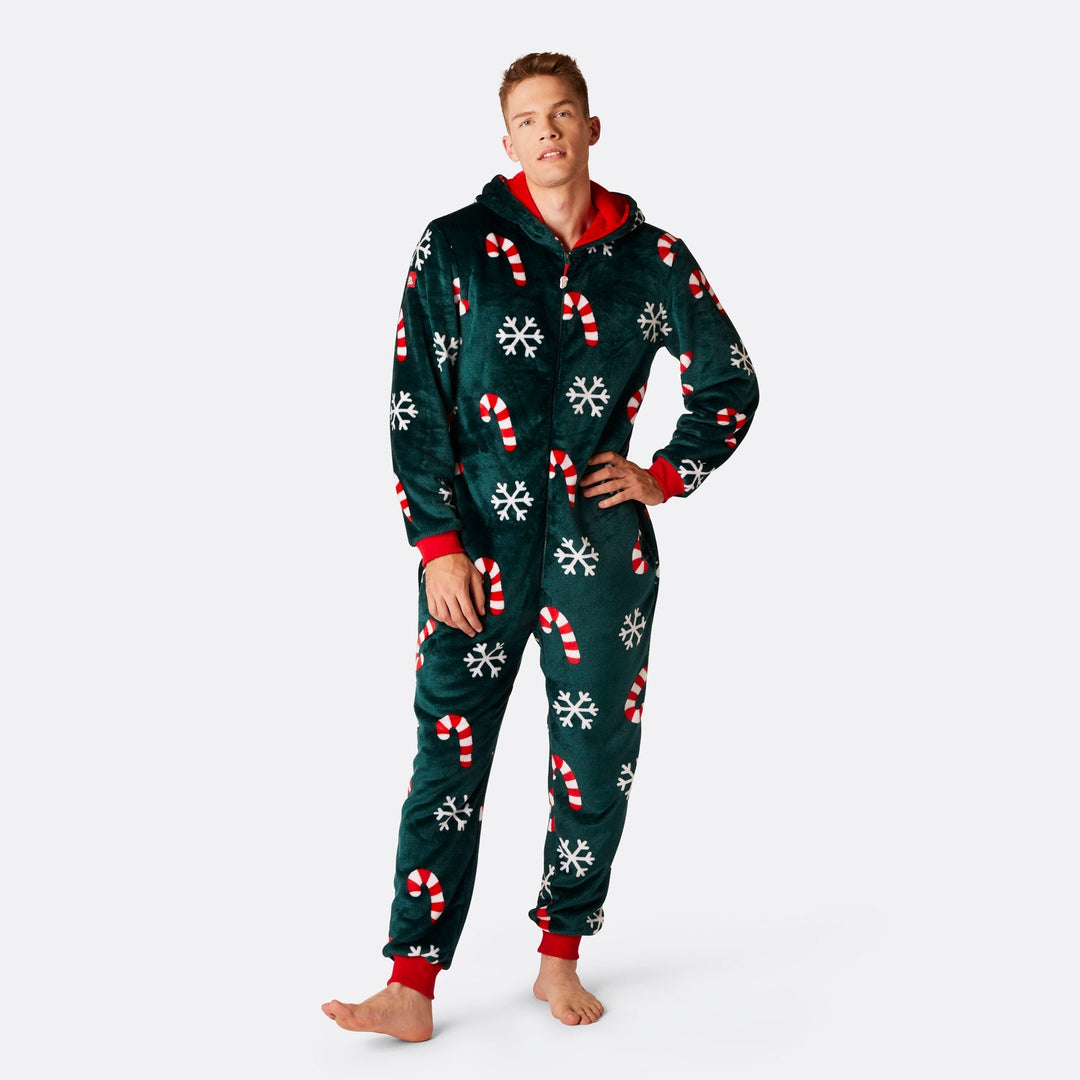
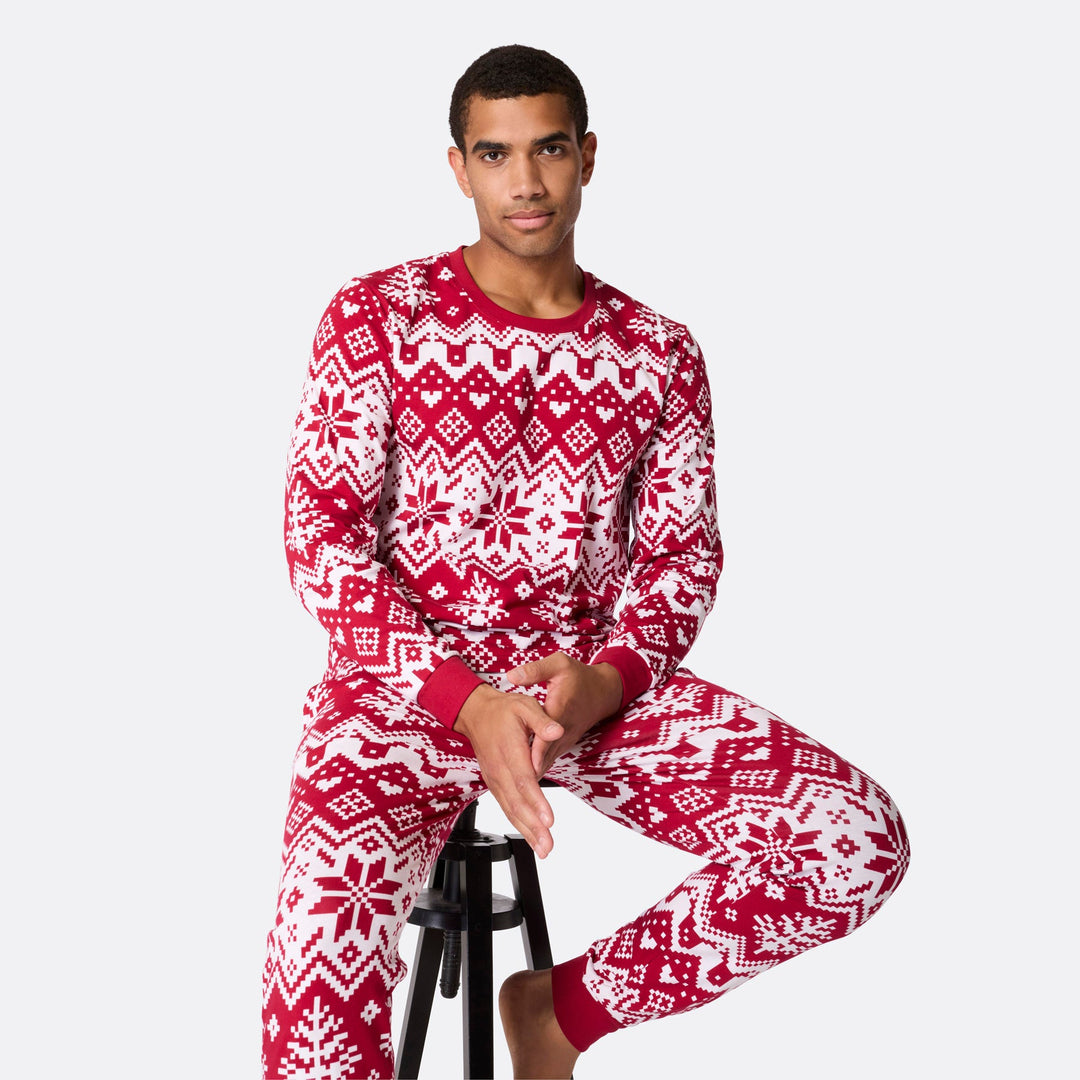
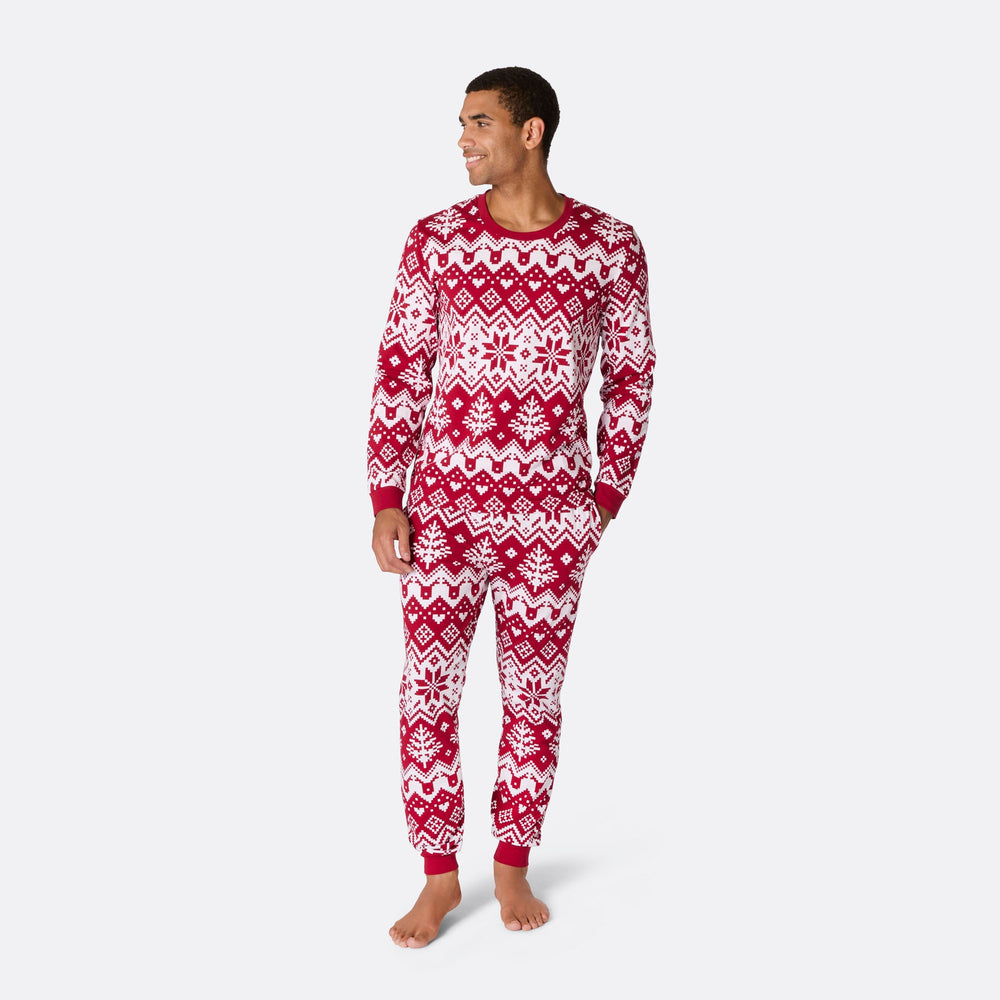
Prefer proper nightwear for the big lie-in? Our Easter pyjamas are made for slow spring mornings with the family.
Easter traditions around the world
Travel a little and Easter changes shape entirely:
Sweden and Finland: children dress up as little Easter witches (påskkärring or påskhäxa) with headscarves and rosy cheeks, and go door to door swapping decorated cards for sweets, a charming cross between Easter and Halloween.
Norway: the nation reads and watches crime. "Påskekrim" sees publishers, TV channels, and even milk cartons serve up murder mysteries, enjoyed from snowy mountain cabins between bouts of cross-country skiing.
Poland, the Czech Republic and Slovakia: Easter Monday brings the playful soaking and gentle tapping with willow switches, known in Poland as Dyngus Day, now mostly a good-natured water fight.
Greece: families dye eggs deep red for the blood of Christ, then play tsougrisma, tapping eggs to see whose stays uncracked.
Bermuda: the skies fill with handmade kites on Good Friday, their rising lines a symbol of the risen Christ.
However you mark it, the threads are the same the world over: spring, new life, family round a table, and a little chocolate. For more seasonal ideas for the little ones, our kids' collection is a good place to start.
Whether you are rolling eggs down a hill, baking simnel cake, or simply enjoying a slow morning in a HappyHoodie, the joy of Easter is in the gathering. Happy Easter from all of us at SillySanta.
Cadbury launched the first mass-produced chocolate Easter eggs in 1875.
Brits get through tens of millions of chocolate eggs every Easter.
Under Elizabeth I, hot cross bun sales were restricted to Good Friday, Christmas and burials.
A traditional simnel cake carries eleven marzipan balls, one for each apostle except Judas.
In parts of Australia, the Easter Bilby delivers eggs instead of the Easter Bunny.
Frequently asked questions about Easter Traditions: UK & Around the World Explained
The best-loved Easter traditions are decorating and hunting for Easter eggs, the Easter Bunny bringing treats, eating hot cross buns on Good Friday, wearing an Easter bonnet, and gathering for a family roast on Easter Sunday.
The classics are hot cross buns, spiced fruited buns marked with a cross and eaten on Good Friday, simnel cake topped with marzipan and eleven balls for the apostles, and an Easter Sunday roast, most often spring lamb.
The Easter Bunny comes from German folklore. In the 1600s, tales of the Osterhase, an egg-laying hare that rewarded well-behaved children, spread across Europe and into Britain, where the hare became the friendly rabbit we know today.
Hot cross buns are spiced sweet buns marked with a cross to symbolise the crucifixion, traditionally eaten on Good Friday to break the fasting period of Lent. They were once thought to bring luck and ward off bad fortune.
Easter celebrates the resurrection of Jesus and is the most important date in the Christian calendar. It also draws on much older spring festivals, which is why renewal, new life, eggs and the hare are woven through its customs.