Orthodox Christmas 2026: Date, Meaning & Traditions
Orthodox Christmas is the celebration of the birth of Jesus Christ kept by Eastern Orthodox Christians, and for many of them it falls on 7 January rather than 25 December. In 2026 that means most of the Western world will have already packed away the tree and finished the mince pies while millions of Orthodox families are only just sitting down to their main Christmas feast. It is the same Nativity, the same Christ, simply counted on an older calendar, and it is one of the warmest, most family centred holidays in the Christian year.
For the churches that still follow the old Julian calendar, Christmas Day always lands on 7 January. So Orthodox Christmas 2026 is celebrated on Wednesday 7 January 2026, with Christmas Eve, the most important evening of all, on 6 January. The following season runs to 7 January 2027 for those keeping the same calendar. The date never drifts around the way Easter does, because it is simply 25 December counted on a calendar that now sits thirteen days behind our own.
Not every Orthodox Christian waits until January, though, and that surprises a lot of people. Greece, Romania, Bulgaria, Cyprus and the Antiochian and American churches adopted a revised calendar in the 1920s and now keep Christmas on 25 December, the same day as the West. The churches of Russia, Serbia, Ukraine, Georgia, Jerusalem and Mount Athos, along with the Coptic Church in Egypt, still hold to the old reckoning and celebrate on 7 January. Both groups are fully Orthodox. They simply count the days differently.
Festive knitwear that carries you through to 7 January
The thirteen day gap comes down to two calendars and a tiny error in the maths. The early Church used the Julian calendar, introduced by Julius Caesar in 46 BC, which assumed the solar year was just over eleven minutes longer than it really is. Across the centuries those minutes added up, and the calendar slipped out of step with the seasons. To fix it, Pope Gregory XIII authorised a corrected version, the Gregorian calendar, in 1582. Catholic countries adopted it quickly, Great Britain followed in 1752, but many Orthodox churches felt the change was a Roman imposition and kept the calendar they had always known. By 1923 the two systems were thirteen days apart, which is why 25 December on the Julian calendar now arrives on what the rest of us call 7 January. You can read a clear short history of the calendar split from the BBC.
Christmas must-have
Men's Rudolph Christmas Jumper
Soft, snug and unmistakably festive, Men's Rudolph Christmas Jumper was made for lazy Christmas mornings.
Orthodox Christmas is not just a single day, it is the climax of roughly forty days of preparation known as the Nativity Fast, or the Holy Nativity Fast. From around 28 November (15 November on the old calendar) the faithful are encouraged to give up meat and dairy and keep a largely vegan diet, using the weeks to slow down, pray and turn outward through charity. It is a quieter, more reflective run up to Christmas than the busy commercial countdown many of us know, and it makes the feast at the end feel genuinely earned.
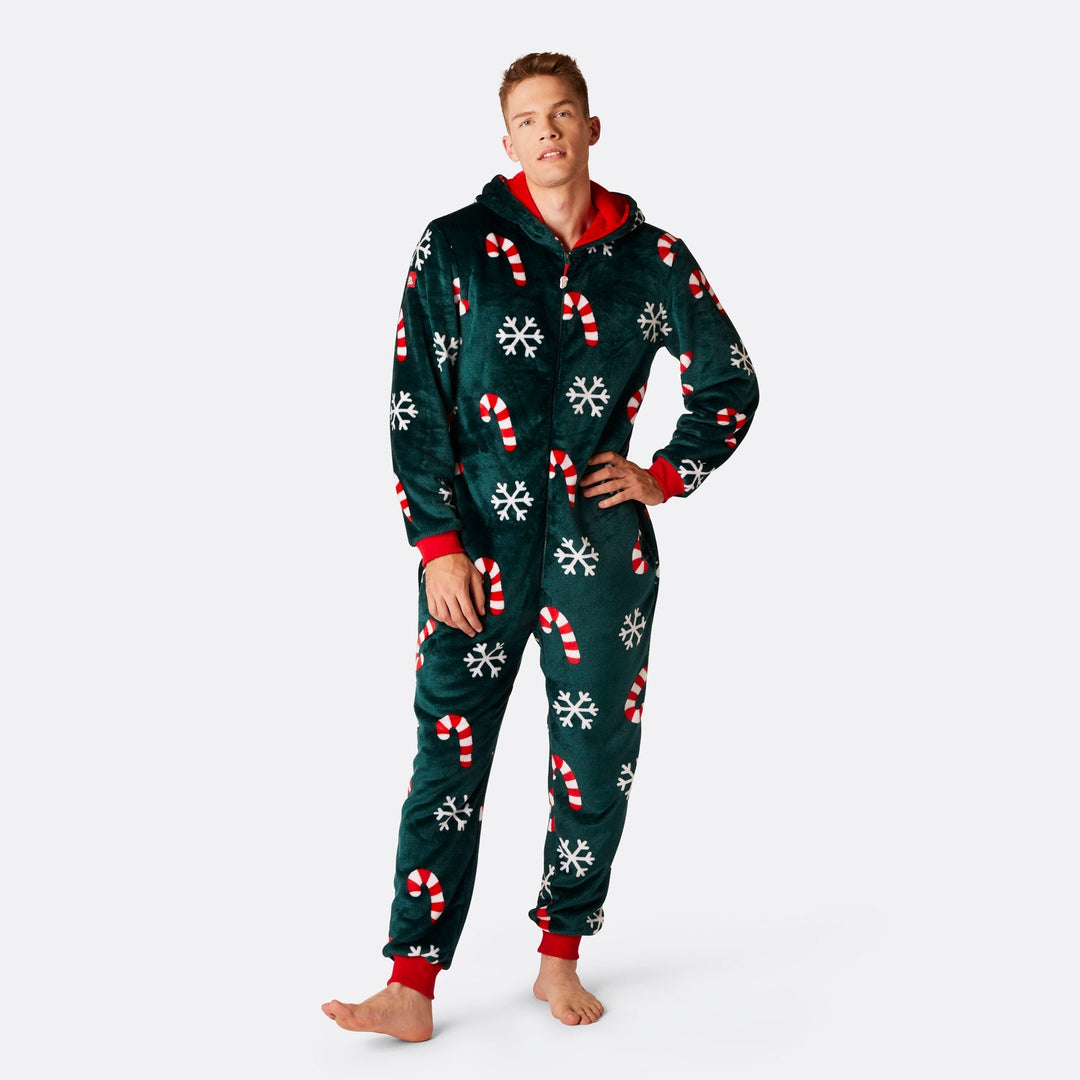
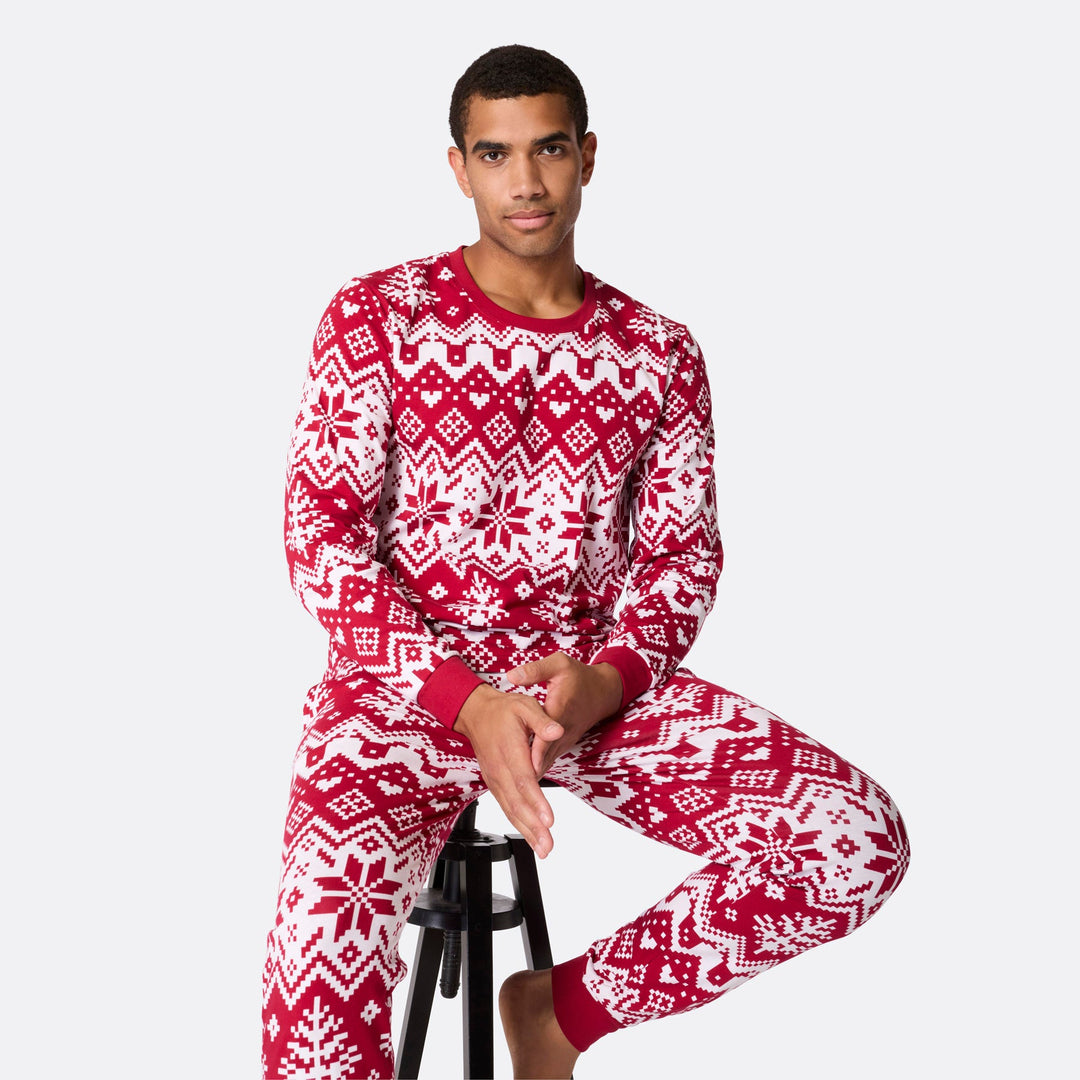
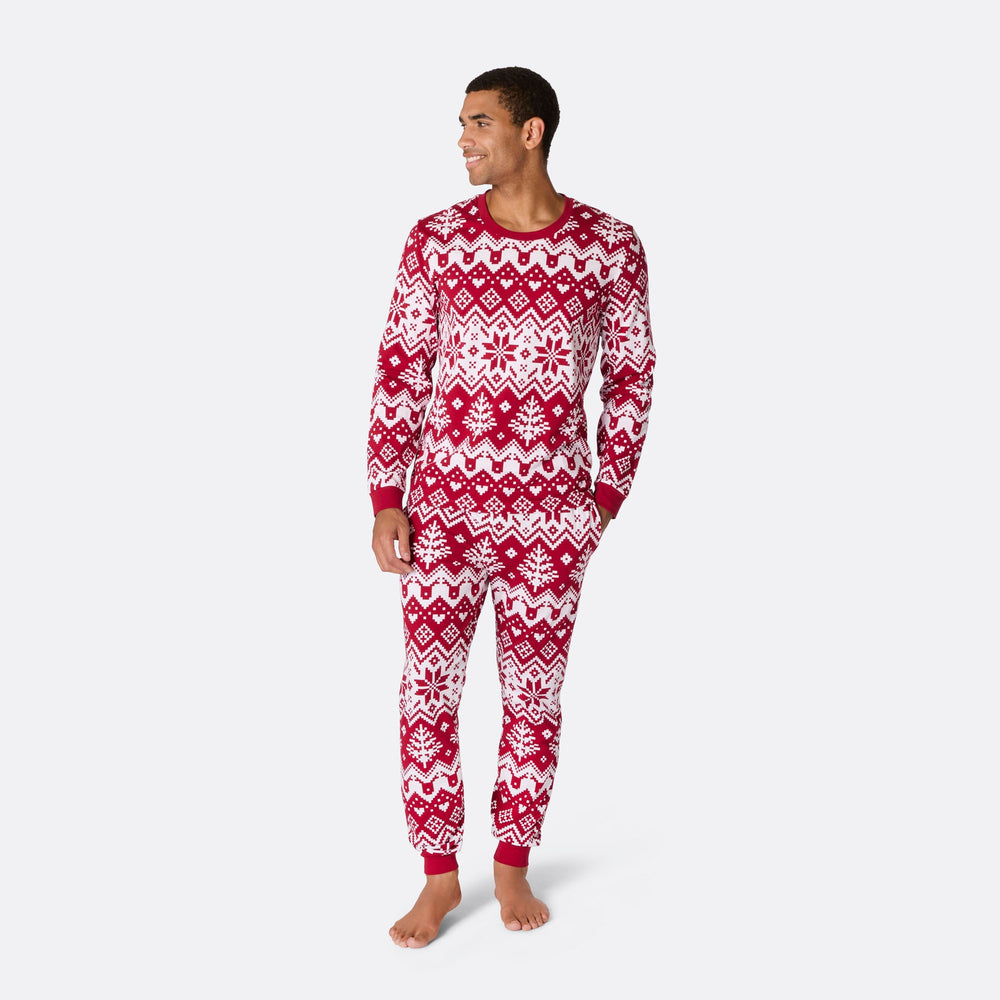
If you are dressing the family for a celebration that runs from December all the way to 7 January, our full Christmas jumper collection has a warm, comfy option for everyone.
Christmas Eve and the Holy Supper
The fast is broken on the evening of 6 January, when families gather for the Holy Supper, the heart of the whole celebration. Tradition says the meal should not begin until the first star appears in the sky, a nod to the Star of Bethlehem that led the wise men to the manger. In Russian and Ukrainian homes the table is often laid with twelve meatless dishes, one for each of Christ's twelve apostles, and might include cabbage soup, vegetable stew, baked apples and bread.
The dish everyone remembers is kutia (sometimes spelled kutya), a sweet porridge of wheat berries, honey and poppy seeds that stands for family, faith and a good harvest. A few customs make the table itself part of the story: a white or embroidered cloth recalling the swaddling clothes of the infant Jesus, a sheaf of wheat in the corner called a didukh to honour the harvest and the family's ancestors, and sometimes a little straw under the cloth as a reminder of the humble manger. Many households also lay a place for loved ones who have died, so that the whole family, past and present, shares the meal.
Christmas Day, Theophany and the Twelve Days
On 7 January the fast is over and the feasting begins in earnest, with roasted meats, sausages and rich regional pastries shared among family and friends after the midnight or morning Liturgy. But the celebration does not stop there. Orthodox Christmas opens the Twelve Days of Christmas, which run all the way to Theophany (also called Epiphany) on 6 January in the new calendar or 19 January in the old, marking the Baptism of Christ in the River Jordan. In many countries Theophany is famous for the blessing of the waters, when a priest casts a cross into a river, lake or the sea and swimmers dive into the freezing water to retrieve it. In Greece this happens on 6 January, a vivid, icy bookend to the season.
How to wish someone a happy Orthodox Christmas
Yes, you can absolutely say "Merry Christmas" to an Orthodox friend, and it will be warmly received. If you would like to use the traditional greeting, many Orthodox Christians greet one another with "Christ is Born!" and answer "Glorify Him!". In Russian you might hear "S Rozhdestvom", and Greek speakers say "Kala Christougenna". The spirit is the same the world over: a wish for peace, faith and a houseful of family.
Because the Orthodox celebration stretches the festive season well into January, a warm, well loved Christmas jumper earns its keep for weeks rather than days. Our women's Christmas jumpers and men's Christmas jumpers are made for exactly this kind of slow, family centred Christmas, and there are matching kids' Christmas jumpers so the whole table can be cosy together.
However you mark it, Orthodox Christmas is a beautiful reminder that the heart of the season, family, faith and a generous table, matters far more than the date on the calendar. For more on how the old and new calendars diverged, the history of Christmas in Russia is a good place to start.
Did you know?
Around 260 million Orthodox Christians worldwide make up more than 12% of all Christians.
The Julian and Gregorian calendars are now 13 days apart, which is why 25 December becomes 7 January.
The Nativity Fast lasts about 40 days, beginning around 28 November.
The Holy Supper traditionally features 12 meatless dishes, one for each of Christ's apostles.
The Twelve Days of Christmas run to Theophany, the feast of Christ's Baptism.
Frequently asked questions about Orthodox Christmas 2026: Date, Meaning & Traditions
Orthodox Christmas Day is celebrated on Wednesday 7 January 2026 by churches that follow the old Julian calendar, with the most important gathering, the Holy Supper, held on Christmas Eve the night before, on 6 January.
Many Orthodox churches still use the Julian calendar instead of the Gregorian calendar adopted in 1582. The two are now thirteen days apart, so 25 December on the Julian calendar falls on 7 January on the calendar most of the world uses today.
The Orthodox churches of Russia, Serbia, Ukraine, Georgia, Jerusalem and Mount Athos, plus the Coptic Church in Egypt, celebrate on 7 January. Greece, Romania, Bulgaria, Cyprus and the Antiochian and American churches use a revised calendar and celebrate on 25 December.
Both celebrate the birth of Jesus Christ. The main difference is the calendar and the date: Catholics keep Christmas on 25 December, while Orthodox churches on the old calendar keep it on 7 January. Orthodox Christmas is also preceded by a forty day Nativity Fast and centres on the Holy Supper on Christmas Eve.
Yes. Saying Merry Christmas is perfectly welcome. The traditional Orthodox greeting is Christ is Born, with the reply Glorify Him, and you may also hear S Rozhdestvom in Russian or Kala Christougenna in Greek.