Candlemas is the Christian feast held on 2 February each year, falling exactly 40 days after Christmas and marking the moment Mary and Joseph presented the infant Jesus at the Temple in Jerusalem. In the old church calendar it was also the day the Christmas season finally ended, when candles were blessed to carry light through the rest of winter, and the very last day to take down your decorations. It is a quiet, hopeful festival about light returning after the darkest weeks of the year, and that is exactly the spirit we love at SillySanta.
If you have ever felt that early January is too soon to pack away the cosiness of Christmas, Candlemas is your historical permission slip to keep it going a little longer. Below we cover what the day actually celebrates, why it lands on 2 February, the candle tradition behind the name, the famous weather rhyme, the food, and how it is marked around the world today.
What is Candlemas and what does it celebrate?
Candlemas commemorates two events told in the Gospel of Luke: the presentation of the baby Jesus at the Temple, and the purification of Mary 40 days after giving birth, as Jewish law of the time required. It is why the day carries several names, including the Feast of the Presentation of Christ and the Feast of the Purification of the Blessed Virgin Mary.
The heart of the story is a short scene in the Temple. An elderly man named Simeon takes the child in his arms and calls him "a light to lighten the Gentiles," a line that became the emotional centre of the whole feast. From that one phrase grew centuries of candle-lighting, processions and the idea of Candlemas as a turning point from the joy of Christmas toward the season of Lent. You can read the full account and its history on Wikipedia's Candlemas page.
Why is Candlemas on 2 February, 40 days after Christmas?
The date is pure arithmetic from the Christmas story. Count 40 days on from 25 December, including Christmas Day itself, and you arrive at 2 February. The 40 days mirror the period Jewish tradition set before a mother and her newborn would come to the Temple, so the church fixed the Presentation on that fortieth day. Because the date is anchored to Christmas rather than to Easter, Candlemas always falls on the same day, year after year. In 2026 it lands on a Monday, and in 2027 on a Tuesday, 2 February.
Christmas must-have
Women's Blue Christmas Cardigan
Soft, snug and unmistakably festive, Women's Blue Christmas Cardigan was made for lazy Christmas mornings.
The name says it all. Candlemas is the day churches traditionally blessed all the candles they would use for the coming year, and many people took blessed candles home to light through the dark months. Those flames stood for Christ as the "Light of the World," and lighting them in the depths of winter was a small, glowing act of hope.
In the late medieval period the day grew into a real community event. Craft guilds organised candlelit processions through towns and cities, with pageants, music and shared feasts that built local pride. The English Reformation cut much of this back, and in 1548 Archbishop Thomas Cranmer ordered the candle ceremonies to be scaled down, but the gentle symbolism of light in darkness never quite went away.
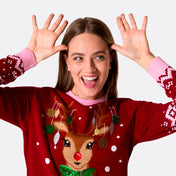
That theme of warm light is why we have a soft spot for the day. A glowing jumper does the same job a blessed candle once did, turning a dark February evening into something cosy. Our light-up Christmas jumpers take the idea literally, while a classic knit keeps the candlelit-evening feeling going long after the tree has gone.
Falling near the midpoint of winter, Candlemas became a natural day for predicting the weather and judging how long the cold would last. The best-known English rhyme goes:
If Candlemas be fair and bright, Come winter, have another flight; If Candlemas bring clouds and rain, Go winter, and come not again.
In other words, a bright, clear Candlemas was thought to mean more winter still to come, while a grey, wet one promised that the worst was over. The same instinct survives across the Atlantic as Groundhog Day, also held on 2 February, where a groundhog seeing its shadow is said to signal six more weeks of winter. The custom grew from German folklore that originally watched a hedgehog or badger, as the Groundhog Day entry on Wikipedia explains.
What food is eaten on Candlemas?
Food traditions vary across Europe, and the most charming belongs to France and Belgium, where Candlemas, or "la Chandeleur," is celebrated with crêpes. Their round, golden shape is said to echo the sun and the returning light, a delicious nod to the lengthening days. By custom you flip the first crêpe with a coin in your other hand for good luck and prosperity in the year ahead. In Britain there was no single fixed dish, but a warm, simple meal to mark the day fits the mood perfectly: candlelight, something cooking, and the first faint signs of spring outside.
Is Candlemas the day to take down Christmas decorations?
Many people insist the decorations must come down by Twelfth Night on 5 January, and that leaving them up beyond it brings bad luck. But for much of British history the truly traditional date was Candlemas. In the medieval world the greenery and lights stayed up until 2 February, when the Christmas season formally closed and the home was finally cleared for the long stretch toward spring. So if you are the sort who hates the bare, flat feeling of mid-January, you are in excellent historical company by keeping a little festive cheer until early February.
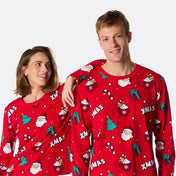
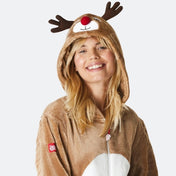
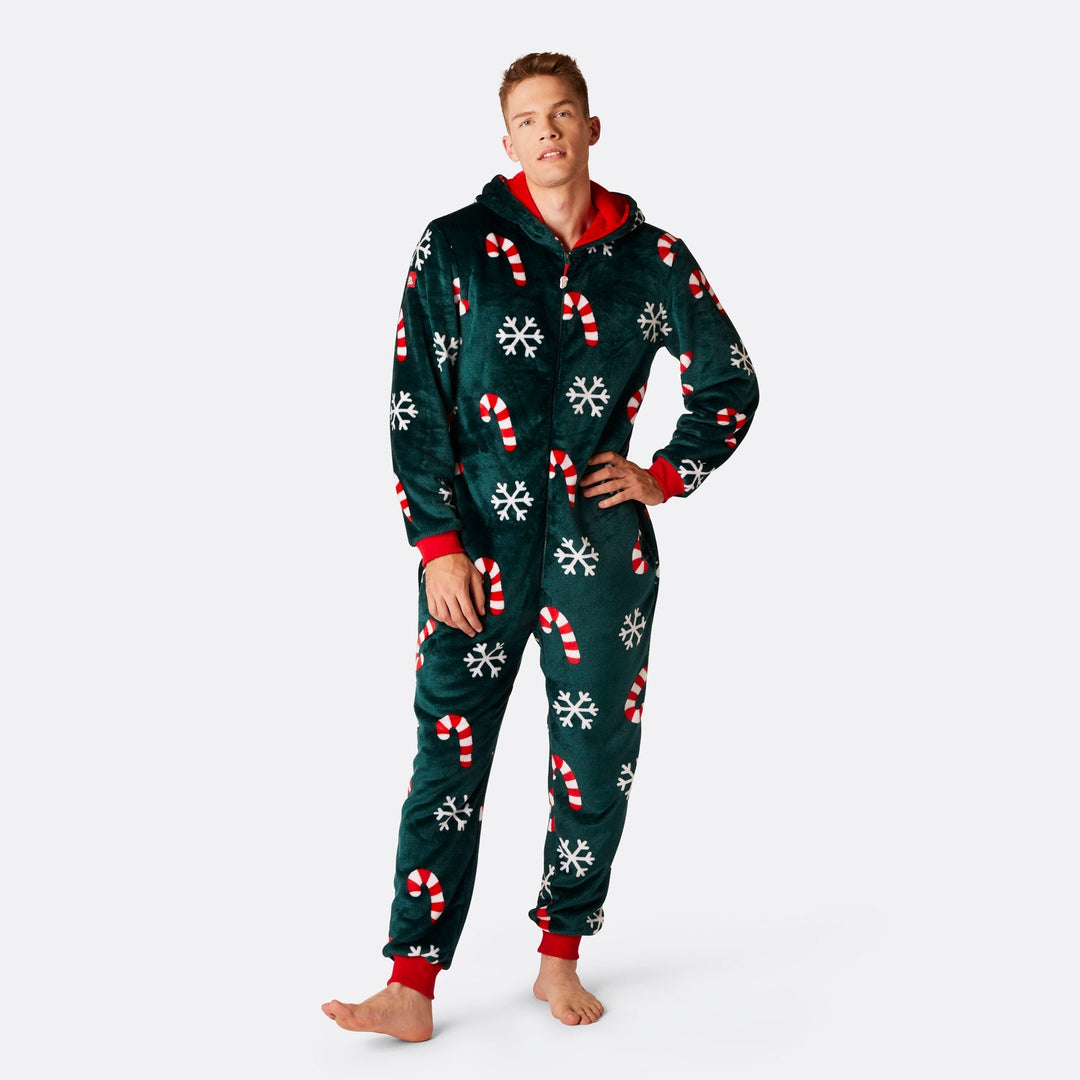
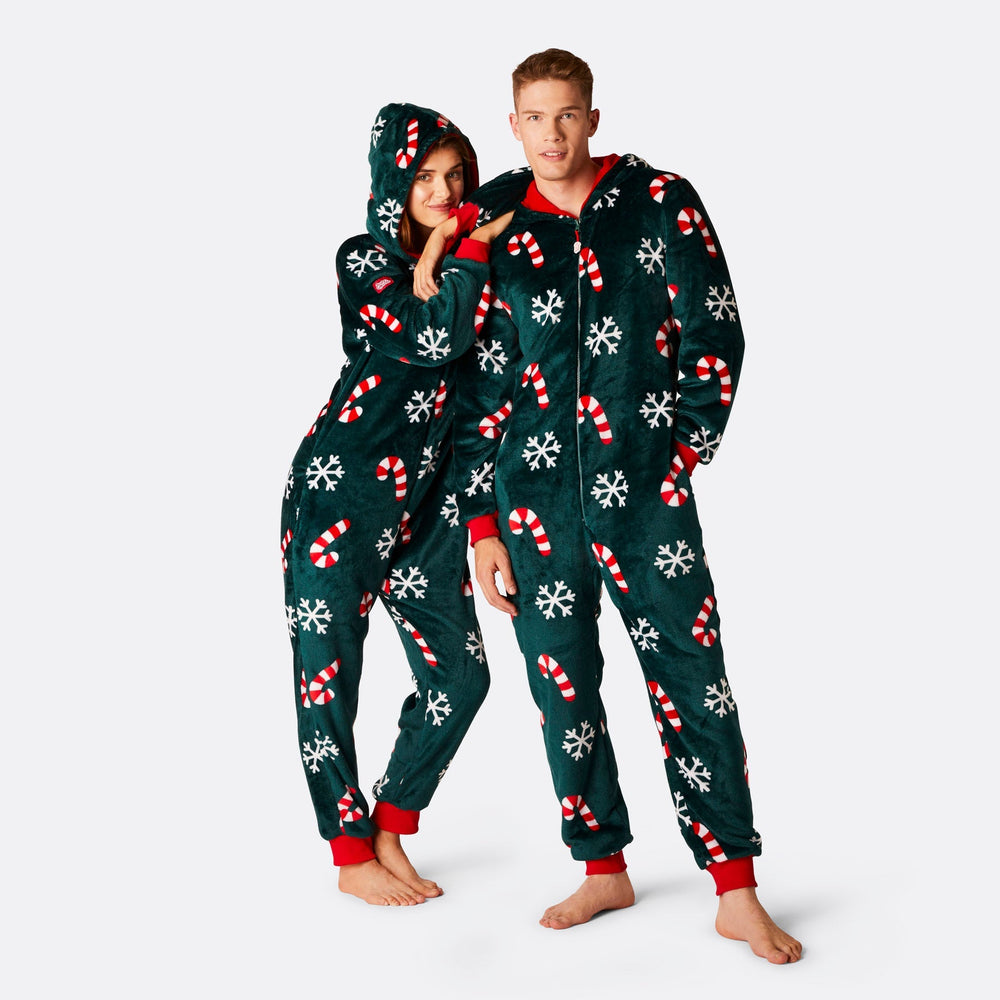
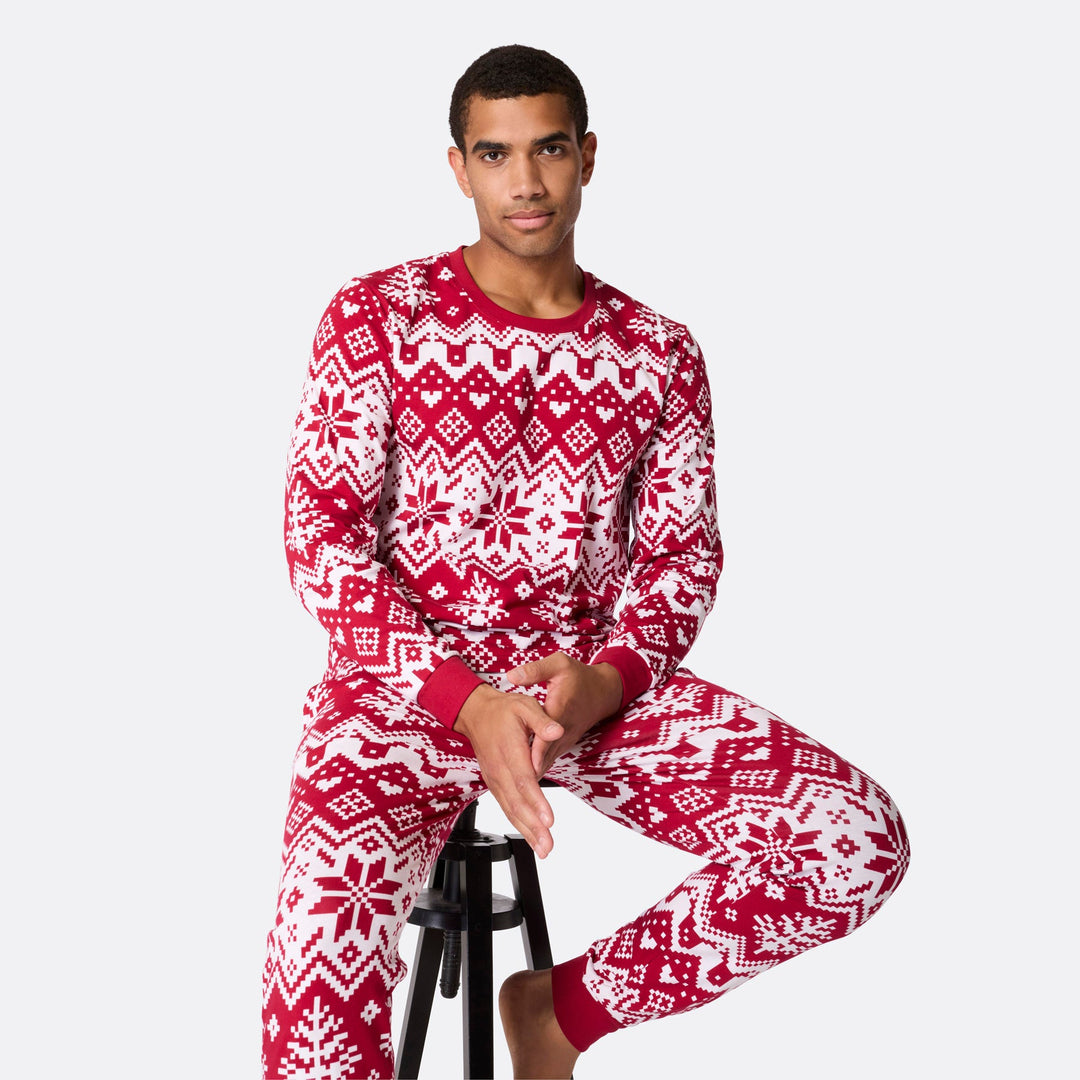
It is a lovely excuse to stretch the cosy season. A set of Christmas pyjamas or a soft Christmas onesie keeps the warm, end-of-season feeling alive on a cold Candlemas night, long after the tree has been packed away.
How is Candlemas celebrated today?
Candlemas is quieter now than in its medieval heyday, but it has not disappeared. Anglican, Catholic and Orthodox churches still mark it, often with candlelit services and the blessing of candles, and it remains a recognised turning point in the church year between Christmas and Lent. Beyond church walls it lives on in small, everyday ways: lighting a candle in the window, flipping a Candlemas crêpe, glancing at the sky to judge the weather, or simply taking the decorations down at last. At its core it is a festival of returning light, a reminder that even in the dark heart of winter the days are already growing longer and spring is on its way.
Did you know?
Candlemas always falls on 2 February, exactly 40 days after Christmas.
The name comes from the church tradition of blessing the year's candles on this day.
In 1548 Archbishop Thomas Cranmer ordered England's Candlemas candle ceremonies to be scaled back.
In France and Belgium the day is celebrated with crêpes, shaped like the returning sun.
Candlemas shares its 2 February date, and its weather-predicting folklore, with Groundhog Day.
Frequently asked questions about Candlemas: Meaning, Date & Traditions Explained
Candlemas marks the presentation of the infant Jesus at the Temple and the purification of Mary, 40 days after Christmas. It celebrates Christ as a "light to the world" and traditionally closed the Christmas season, turning the church year toward Lent.
Churches blessed the year's candles on this day, and people took blessed candles home to light through winter. It was also historically the last day to take down Christmas decorations, the truly traditional date rather than Twelfth Night.
In France and Belgium, Candlemas is celebrated with crêpes, whose round, golden shape symbolises the returning sun. Britain has no single set dish, but a warm meal by candlelight suits the day perfectly.
Counting 40 days from 25 December, including Christmas Day, lands on 2 February. The 40 days mirror the period Jewish tradition set before a mother brought her newborn to the Temple, so the Presentation was fixed on that day.
Traditionally, yes. While many take theirs down by Twelfth Night on 5 January, for much of British history decorations stayed up until Candlemas on 2 February, when the Christmas season formally ended.