Trick-or-treating is the Halloween tradition where children put on costumes and go door to door on the evening of 31 October, calling out "trick or treat!" in exchange for sweets. It is the highlight of Halloween night for most families in Britain, a friendly mix of fancy dress, neighbourhood community and a bag full of treats. This guide covers what trick-or-treating actually is, where it comes from, what time to head out in the UK in 2026, the etiquette that keeps everyone happy, and how to keep little ghouls safe.
Trick-or-treating is a Halloween custom in which costumed children visit homes in their neighbourhood and ask for a treat, usually sweets or chocolate, with the playful implied "threat" of a harmless trick if none is offered. In practice the trick almost never happens. The phrase is really just a bit of theatre that kids love to chant, and the evening is far more treat than trick. The word entered the dictionary as a fixed expression decades ago, and today it describes one of the most popular family activities of the autumn.
Easy costume layers for a comfy trick-or-treat night
1Kids' Grey Teddy Bear Onesie – a soft all-in-one that doubles as a cuddly costume and keeps children warm between houses.
2Kids' Pink Teddy Bear Onesie – the same cosy bear in a brighter shade, easy to spot in a crowd of trick-or-treaters.
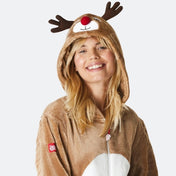
3Women's Grey Teddy Bear Onesie – for the grown-up walking the route, a warm layer that still looks the part on the doorstep.
If you are new to it, the rhythm is simple. You dress up, you knock on a decorated door, you say the magic words, you receive a treat, and you say thank you before moving on to the next house. Half the fun is in the costume, so it is worth raiding the Halloween costumes rail early before the best pieces sell out.
Where did trick-or-treating come from?
The tradition is surprisingly old, even if the modern version feels recent. Its roots reach back more than 2,000 years to the Celtic festival of Samhain, which marked the end of the harvest and the start of winter. People believed the boundary between the living and the dead grew thin on that night, so they lit bonfires and wore disguises to confuse any wandering spirits. When the Christian calendar later absorbed the festival, the night before All Hallows' Day became All Hallows' Eve, which over time was shortened to Halloween.
Frightfully fun
Kids' Brown Teddy Bear Onesie
Slip into Kids' Brown Teddy Bear Onesie and let the spooky season begin.
The door-to-door part of the custom grew from several older practices. In medieval England and Ireland, poorer people went "souling" on All Souls' Day, offering prayers for the dead in return for small spiced "soul cakes". In Scotland and Ireland, children took part in "guising", dressing up and performing a song, a poem or a joke to earn a treat. According to Wikipedia, these guising customs were carried across the Atlantic by Irish and Scottish immigrants, where they slowly merged into the trick-or-treating we know today.
The phrase "trick or treat" itself is younger than the costumes. Etymologists have traced its earliest printed use in a Halloween context to a 1927 newspaper report from Alberta, Canada, describing pranksters demanding a "trick or treat" at front doors. The custom then exploded in popularity in the United States after the Second World War, when sweets came off rationing and new suburbs made it easy for children to walk from house to house. For a fuller account of the history, National Geographic traces the same thread from ancient harvest festivals to the modern sweet-collecting ritual.
For little ones who feel the cold on a late-October evening, a cosy kids' onesie layers neatly under a costume and keeps the whole expedition comfortable from the first knock to the last.
What time is trick-or-treating in the UK in 2026?
Halloween always falls on 31 October, and in 2026 that lands on a Saturday, which makes for an easy evening with no school or work the next morning. In most UK neighbourhoods, trick-or-treating gets going somewhere between 5.30pm and 6pm, once it starts to get dark, and tends to wind down by around 8.30pm to 9pm at the latest. Younger children usually head out at the earlier end while older ones go a little later.
There are no official, council-set hours in Britain the way some American cities have, so the timing is really a matter of local custom and common sense. A good rule of thumb is to start at dusk and to be heading home before it gets too late, especially for little ones. A neighbourhood WhatsApp group is often the quickest way to find out when families on your street are setting off, so you can join up and go knocking together.
Trick-or-treating etiquette
A few simple manners keep the evening fun for everyone, those knocking and those answering the door alike.
Only knock on decorated houses. A carved pumpkin, fairy lights or cobwebs by the door are the universal signal that a household is happy to take part. A dark house with the lights off is politely opting out, so walk on by.
Say the words and say thank you. Encourage children to call "trick or treat" with a smile and to thank the householder for whatever they are given.
Take one, not a handful. Unless you are told to help yourself, one treat per child keeps the bowl going for everyone who comes later.
Keep the noise down late on. Wind down as the evening goes on and avoid knocking after about 9pm, when many people, and tired toddlers, are ready for bed.
No real tricks. The "trick" is a joke, not a licence for mischief. Respect gardens, doorsteps and anyone who would rather not join in.
Trick-or-treating safety tips
Trick-or-treating means walking around in the dark, often in dark costumes, knocking on doors away from home, so a little planning goes a long way.
Stay visible. Add reflective tape, a torch or a glow stick to costumes so you can keep track of children in the dark.
Go together. Younger children should always be with an adult, and even older ones are safer in a group. Stick to well-lit pavements and familiar streets.
Mind the road. Agree that nobody runs ahead or crosses a road without an adult, and cross only after looking both ways.
Check the costume. Make sure masks do not block vision, shoes fit properly and there is nothing long enough to trip over.
Check the sweets. Give the haul a quick once-over at home before anyone tucks in, and throw away anything with an open or damaged wrapper.
What to hand out to trick-or-treaters
If you are the one answering the door, a carved pumpkin on the step tells passing families you are open for business. Individually wrapped sweets and mini chocolate bars are the classic choice and the easiest to share safely. For children with allergies, a few non-food options such as stickers, temporary tattoos, glow sticks or small spooky toys are a thoughtful touch, and they tie in with the Teal Pumpkin idea of keeping treats inclusive. Tying small mixed bags with orange and black ribbon adds a bit of extra flair if you have the time.
Is trick-or-treating a thing in Britain?
Yes. Although the modern, sweet-collecting version was popularised in the United States, the underlying customs of guising and souling are British and Irish in origin, and trick-or-treating is now firmly established across the UK. It is especially popular with families and in residential neighbourhoods, where decorated doorsteps make it easy to see who is taking part. If your street is quiet, organised community events and local Halloween trails are a great alternative, and they are often safer and cosier for very young children.
Other ways to celebrate Halloween night
Trick-or-treating is not for everyone, and that is completely fine. If your little ones are not keen on the dark, or your neighbours are not joining in, you can still have a brilliant evening at home. Carve a pumpkin together, throw a small Halloween party, line up a family-friendly spooky film, bake some themed treats or set up a creepy photo corner for the costumes. Pulling on a matching set of cosy onesies for a film night is its own kind of Halloween tradition, no doorbell required.
Trick-or-treating at a glance
Falls on 31 October every year; in 2026 Halloween lands on a Saturday
UK trick-or-treating typically runs from about 5.30pm to 9pm
Roots trace back more than 2,000 years to the Celtic festival of Samhain
The phrase "trick or treat" was first printed in a 1927 Alberta newspaper
The custom boomed in the US after the Second World War as sweet rationing ended
Frequently asked questions about Trick-or-Treating: UK Guide, Times & History 2026
Trick-or-treating is a Halloween custom in which children dress up in costumes and go from house to house on the evening of 31 October, calling "trick or treat" when a door opens to ask for sweets. The "trick" is a playful, implied threat of mischief if no treat is given, but in practice it is almost always treats all the way.
The phrase is a light-hearted warning that the children might play a small trick if they are not given a treat. Its earliest printed use in a Halloween context dates to a 1927 newspaper report from Alberta, Canada, describing pranksters demanding a "trick or treat" at front doors. It spread quickly and became the standard Halloween chant.
In most UK neighbourhoods trick-or-treating starts between about 5.30pm and 6pm, once it begins to get dark, and usually finishes by around 8.30pm to 9pm. There are no official council hours in Britain, so it comes down to local custom: start at dusk, and head home before it gets too late, especially with younger children.
Yes. While the modern sweet-collecting version was popularised in the United States, the older customs behind it, guising and souling, are British and Irish in origin. Trick-or-treating is now well established across the UK, especially with families and in residential streets where decorated doorsteps show who is taking part.
Knock only on decorated houses with the lights on, say "trick or treat" and thank the householder, and take one treat unless you are told to help yourself. Stay visible with a torch or reflective tape, keep to well-lit pavements with an adult, do not cross roads alone, and wind things down by about 9pm. The "trick" is just a joke, not a licence for real mischief.
Individually wrapped sweets and mini chocolate bars are the classic, easy choice. For children with allergies, non-food options such as stickers, temporary tattoos, glow sticks or small spooky toys are a thoughtful, inclusive touch. A carved pumpkin on the step signals that you are happy to take part.