Christmas cards are the warmest, lowest-effort way to tell people you are thinking of them, and this guide covers everything you actually need: when to post them so they arrive in time, what to write inside, how to address them, the charity and handmade options, and whether the tradition is really fading. Whether you are sending ten cards or a hundred, a few simple habits make the whole ritual feel cosy rather than like a chore.
The card-sending season has a natural rhythm. Most people post their Christmas cards from late November through to the middle of December, and it is perfectly fine to keep going right up to Christmas, or even to send New Year greetings into early January if December runs away from you. Cards do not have to be reciprocal: if someone you had not planned for sends you one, you can simply reply with a spare, add them to next year's list, or leave it, no harm done.
When to send Christmas cards in the UK
Timing is the one thing worth getting right, because a card that lands in January has missed the moment. As a rule of thumb, post first-class cards in the few days before the recommended last posting dates, and second-class cards a little earlier, around the middle of December. Royal Mail publishes updated last posting dates every year, so it is worth a quick check before the rush, especially for cards going overseas, which need to leave well before UK ones.
If you are the organised type, writing your cards over a quiet weekend in early December and posting them in one batch keeps the season calm. Leave a small stack of blank ones aside for the cards that arrive unexpectedly, and you will never be caught out.
What to write in a Christmas card
A handwritten line is what turns a shop-bought card into something personal, and it does not need to be long. For close friends and family, warmth beats polish: "Wishing you a magical Christmas and a wonderful 2026, with all our love." For colleagues or contacts you know less well, keep it gracious and simple: "Season's Greetings and best wishes for the year ahead." A few reliable openers:
Family and close friends: "Merry Christmas, we are so lucky to have you. Sending love and hugs this festive season."
For someone far away: "Thinking of you this Christmas and counting down to seeing you in the new year."
Neutral and inclusive: "Warmest wishes for a happy, healthy and peaceful holiday season."
A little playful: "Merry everything and a happy always. Now pass the mince pies."
If you are sending to friends who celebrate a different holiday, or none at all, a non-religious "Season's Greetings" or "Happy New Year" card is a thoughtful, inclusive choice. And there is no rule about whose name goes first when a card is from a couple or family. Adults usually come before the children, but ladies-first or gentlemen-first is entirely up to you. Yes, the dog can go on there too.
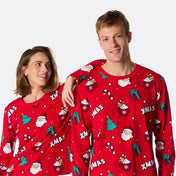
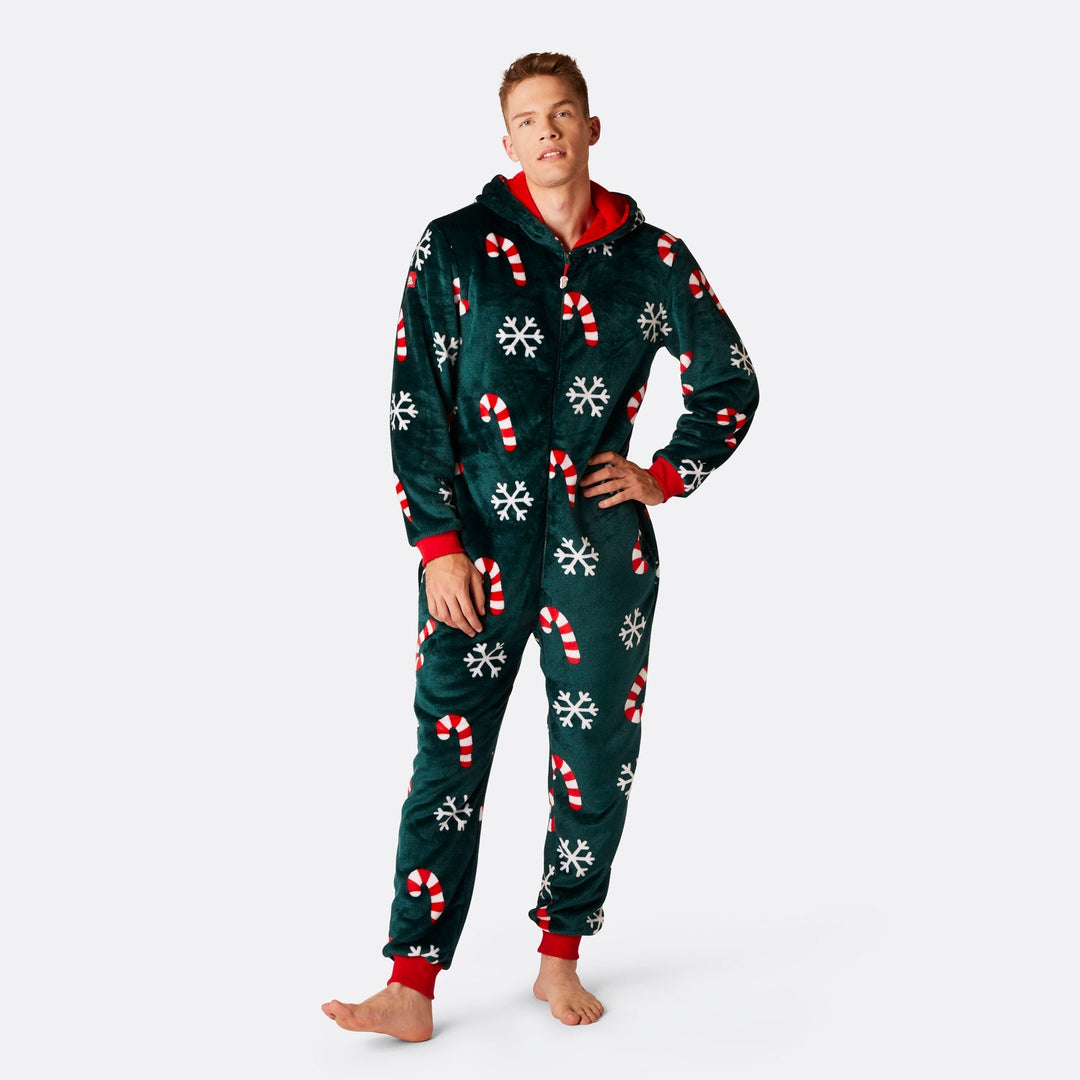
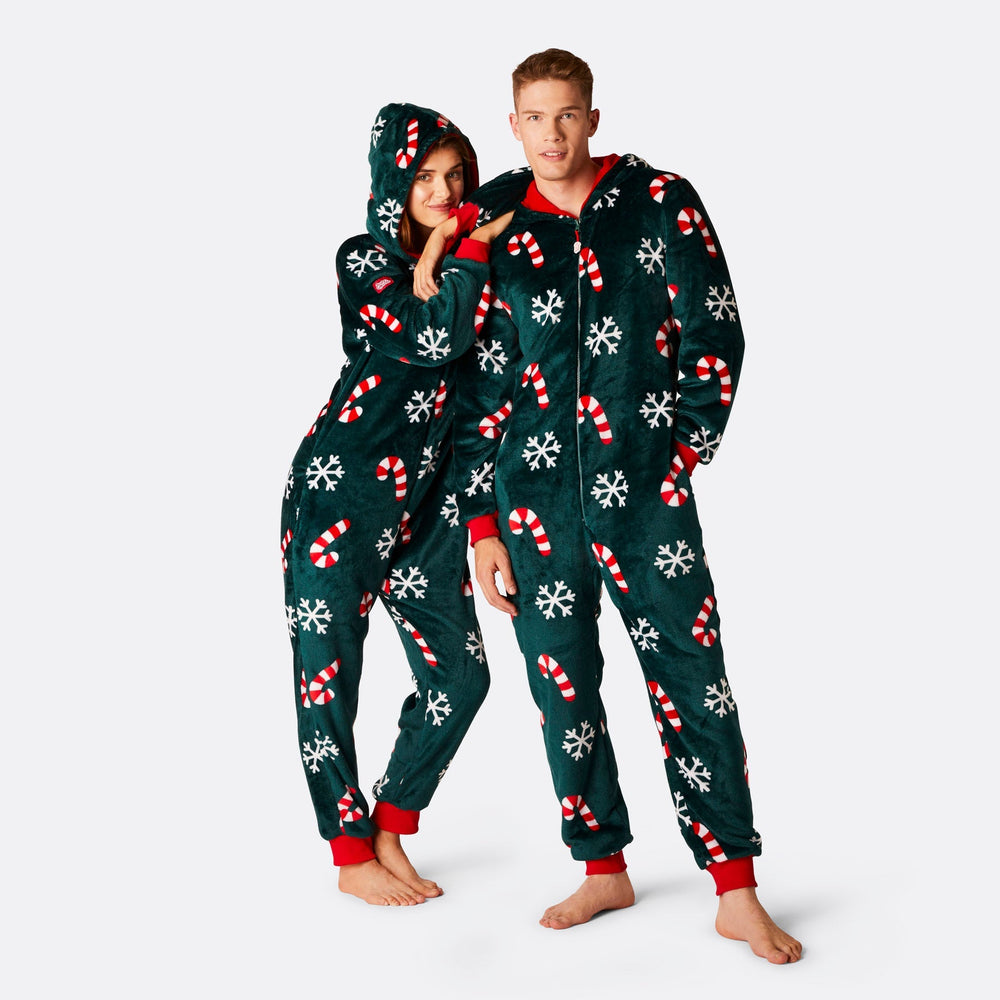
Planning this year's family photo card? Dress the whole crew in matching family Christmas jumpers and snap the picture in November, while everyone is still smiling.
Addressing and the family photo card
For the envelope, a clear handwritten name and full address still feels more personal than a printed label, and it helps the post get there. Inside, signing with both partners' names, or "from all of us at number 12," keeps it friendly. The photo card has become a December favourite: a single snap of the family, the kids, or the pets, printed onto the front. The trick is a photo that already looks festive, which is exactly where a set of coordinated jumpers earns its keep. Pop the little ones in their kids' Christmas jumpers, take the picture in November, and your card practically designs itself.
Charity Christmas cards
Buying charity cards is a quietly brilliant British tradition: you send your greetings and a share of the price goes to a good cause. Multi-charity card shops and big-name charities both sell packs every winter, and a charity design is an easy way to make the gesture mean a little more. If you would rather give your festive spend a charitable angle in another way, the same instinct that makes someone choose a charity card pack is the one that makes a cosy, well-made Christmas jumper a kinder buy than fast, throwaway tat.
Handmade Christmas cards
If you have children, or simply enjoy a craft afternoon, homemade cards are the most charming of all. None of these need special skills:
Fingerprint candy canes: dab red and white paint in a stripe with a fingertip on kraft paper, add a tiny bow.
Button wreath: glue small buttons in a circle and finish with a thin red ribbon bow.
3D paper tree: fold a triangle of green card so it stands proud of the front, top it with a star.
Pom-pom wreath: a ring of mini pom-poms glued to a folded card, done in minutes.
Photo peek-hole: cut a small round window in the front and centre a family photo behind it.
Handmade cards double brilliantly as gift tags and as a rainy-day activity to keep little ones busy while you wrap. For more cosy December projects, our Christmas pyjamas set the scene for a proper crafting-and-hot-chocolate evening.
Paper cards or eCards?
Digital cards are greener, free and instant, and they are perfect for friends and relatives who live online. Paper cards, posted through the letterbox, still carry a charm a screen cannot match, which is why most people favour them for the people closest to them. A sensible middle ground is to post paper cards to family and older relatives who treasure them on the mantelpiece, and send eCards to wider circles and busy work contacts. If you do email greetings, write a real message rather than a one-liner, and use the Bcc field so you are not sharing everyone's address.
Are Christmas cards dying out?
People have predicted the end of the Christmas card for years, yet every December the post still fills with them. Volumes are smaller than at their peak, but the card endures because it does something a text cannot: it is a physical, keepable token of thought that sits on a shelf for a fortnight. There is no obligation to send any at all, and it is never rude to skip a year. But for many of us, writing that small stack of cards is one of the first genuinely festive things we do, the moment Christmas properly begins.
A short history of the Christmas card
The custom is older than you might think. The very first commercially printed Christmas card was produced in London in 1843, commissioned by Sir Henry Cole, who wanted a tasteful way to answer the season's correspondence, and illustrated by John Callcott Horsley. Its message, "A Merry Christmas and a Happy New Year to You," is one we still write today. A thousand copies were printed, the idea caught on, and by the 1860s printed cards had become big festive business, as you can read on Wikipedia's history of the Christmas card and in the story of its originator, Sir Henry Cole. Nearly two centuries on, the same small kindness, a card and a handwritten line, still does the job perfectly.
Did you know?
The first commercially printed Christmas card was produced in London in 1843.
It was commissioned by Sir Henry Cole and illustrated by John Callcott Horsley.
A thousand copies of that first card were printed.
By the 1860s, printed Christmas cards had become big festive business.
Cards are usually posted from late November until mid-December, with New Year greetings sent into early January.
Frequently asked questions about Christmas Cards: The Complete UK Guide
Most people post Christmas cards from late November to mid-December. Send second-class cards earlier and first-class ones in the days before Royal Mail's last posting dates, which are published each year. Overseas cards need to be posted well ahead of UK ones.
Keep it warm and personal. For loved ones, try 'Wishing you a magical Christmas and a wonderful new year, with all our love.' For colleagues or contacts, a neutral 'Season's Greetings and best wishes for the year ahead' works beautifully.
Not at all. There is no obligation to send cards, and cards do not have to be reciprocal. If someone unexpectedly sends you one, you can reply with a spare, add them to next year's list, or simply leave it. Skipping a year is perfectly fine.
There is no fixed rule. Couples do not have to follow ladies-first or gentlemen-first. Most people put the adults before the children, but the order is entirely up to you, and yes, you can add the pets too.
Volumes are lower than at their peak, but the Christmas card endures. It offers something a text cannot: a physical, keepable token of thought that sits on the mantelpiece. For many people, writing cards is one of the first festive rituals of the season.