Christmas in Spain: Traditions, Food & Three Kings
Christmas in Spain is a gloriously long, family-first festive season that runs from early December all the way to 6 January, and it looks quite different from the British version. There is no single big morning of presents under the tree. Instead the celebration builds slowly, peaks with a late-night family feast on Christmas Eve, and saves its biggest gift-giving moment for the Three Kings in the new year. If you are planning a winter trip, marrying into a Spanish family, or simply curious how the rest of Europe does December, here is the whole season explained in order.
The season unofficially opens around 6 to 8 December, a long weekend that pairs Constitution Day with the Feast of the Immaculate Conception. Cities switch on their illuminations, the famous lights along Málaga's Calle Larios and across Madrid and Vigo draw huge crowds, and elaborate Nativity scenes, known as belénes, start appearing in homes, churches and town squares. Unlike in the UK, the Christmas tree plays second fiddle to these miniature Bethlehem dioramas, which families often build and add to over the weeks.
For many Spaniards the season truly begins on 22 December with El Gordo, the National Christmas Lottery. It is the world's richest lottery by total prize pool, and roughly three quarters of the country buys a ticket, usually a shared décimo split between friends, families and co-workers. Schoolchildren from Madrid's San Ildefonso school sing the winning numbers in a hypnotic chant broadcast live for hours, and whole villages have been known to win together. It is less about getting rich and more about sharing a little luck.
Christmas Eve, or Nochebuena (the good night), is the most important evening of the season. Extended families gather for a long, lavish dinner that stretches late into the night. It typically opens with entremeses, plates of Iberian jamón, chorizo and local cheese, followed by seafood such as prawns, then a roast main. Depending on the region that might be cochinillo (suckling pig) in Castile, lamb in the centre, or a seafood spread in Galicia. Dessert means turrón (a nutty nougat), polvorones and mantecados (crumbly almond biscuits) and mazapán, all washed down with cava.
Worth unwrapping early
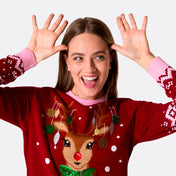
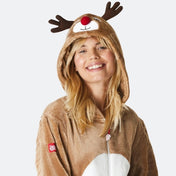
Kids' Reindeer Christmas Jumper
From present-wrapping to film nights, Kids' Reindeer Christmas Jumper keeps everyone toasty and grinning.
After dinner, many head to Midnight Mass, La Misa del Gallo, the Mass of the Rooster, so named for the legend that a cockerel crowed the night Jesus was born. Christmas Day itself, Navidad, is a calmer affair of leftovers and family, with far fewer presents than British children expect, because the big gift day is still two weeks away.
Regional traditions you will not see anywhere else
Spain is a patchwork of regions, and Christmas customs shift as you travel. A few of the most charming:
Catalonia's Tió de Nadal, the "Christmas log". From 8 December, families "feed" a smiling hollow log and tuck it under a blanket. On Christmas Eve children beat it with sticks while singing, and it obligingly "poops" out sweets and nuts, earning its affectionate nickname Caga Tió.
El Caganer, also Catalan, a cheeky little figurine of a peasant answering the call of nature, traditionally hidden in a corner of the Nativity scene. Modern versions sport the faces of footballers and politicians.
The Basque Olentzero, a pipe-smoking charcoal-burner who comes down from the hills to deliver presents on Christmas Eve, a regional rival to Father Christmas.
Galician seafood, where the festive table leans heavily on shellfish, lobster and crab rather than roast meat.
Even the greeting changes. Most of Spain says Feliz Navidad, but in Catalonia it is Bon Nadal, in Galicia Bo Nadal, and in the Basque Country Eguberri on.
From New Year to Three Kings
The season is far from over after Christmas. On 28 December comes Día de los Santos Inocentes, Spain's version of April Fools' Day, when friends, newspapers and TV stations try to trick one another. New Year's Eve, Nochevieja, brings the country's quirkiest superstition: as the clock strikes midnight you eat las doce uvas, twelve grapes, one on each chime, each representing a month of luck in the year ahead. Manage all twelve in time and good fortune is yours.
The grand finale is Three Kings Day, or Día de Reyes, on 6 January. The evening before, towns hold the Cabalgata de Reyes, dazzling parades where the three wise men ride floats and shower the crowds with sweets. Children leave their shoes out, along with a glass of cognac for each king, a satsuma and walnuts, and sometimes water for the camels. They wake on 6 January to their main presents of the year. The day is rounded off with Roscón de Reyes, a ring-shaped sweet bread topped with candied fruit, hiding a tiny figurine (find it and you are crowned king) and a dried bean (find that and you buy next year's cake).
Dressing for a Spanish Christmas
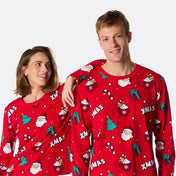
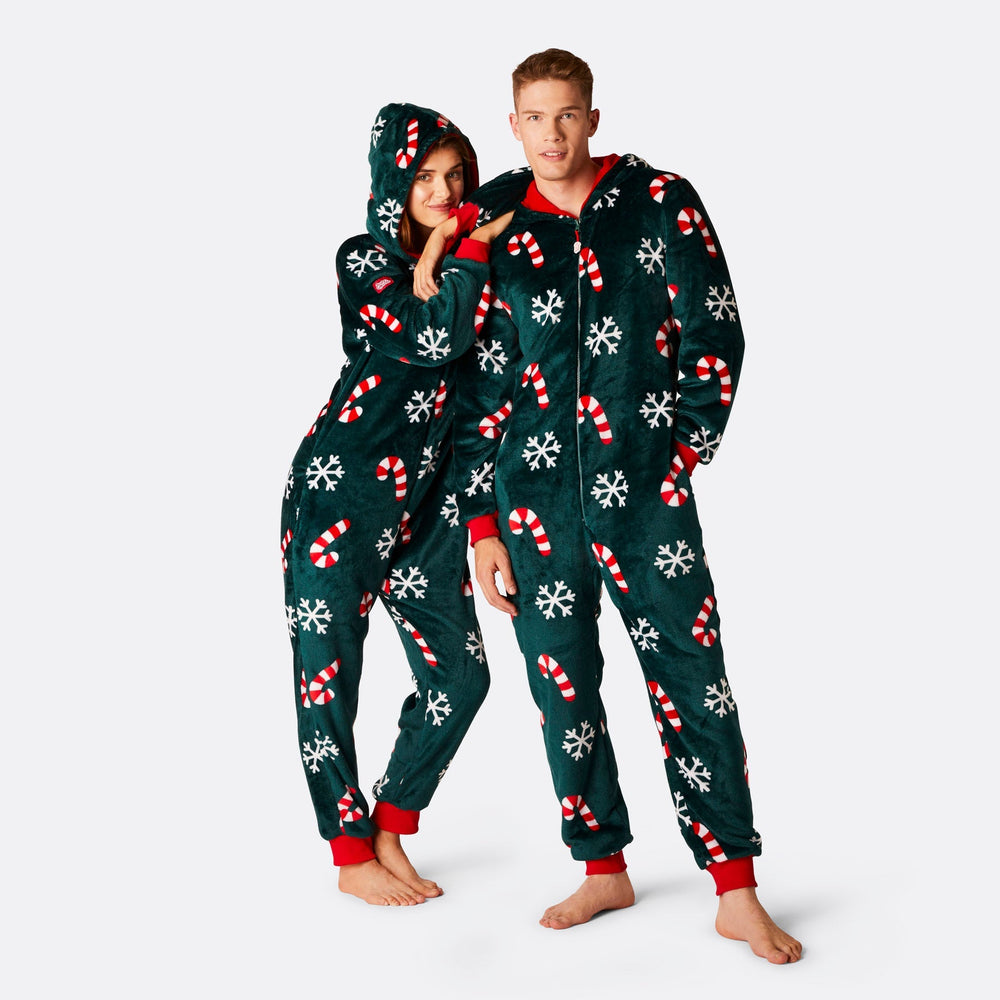
Because so much of the Spanish season revolves around long family gatherings, from the Nochebuena feast to the Three Kings parade, it is the perfect excuse for a coordinated festive look. A cosy Christmas jumper suits the milder Mediterranean December far better than a heavy coat, and matching the whole family is a lovely way to mark those big shared meals. Browse our Christmas jumpers for the grown-ups, or get everyone in step with our matching family Christmas jumpers for that Nochebuena group photo.
Is Spain a good place to spend Christmas?
Yes, and it is one of the best-kept festive secrets in Europe. December is considered off-peak, so flights and hotels are often cheaper, yet the Costa del Sol and Costa Blanca still sit around 17 to 18°C in the daytime, and the Canary Islands hover in the low 20s. You get warm sun, twinkling lights, world-class food and a fortnight of celebration for the price of a quiet winter break. Just remember the rhythm is different: dinner is late, the big presents come in January, and the whole thing is built around being together.
For more on the official festive calendar and regional events, the Spanish tourist board's guide at Spain.info is a reliable starting point, and the Christmas in Spain overview on Wikipedia covers the history behind each tradition.
Did you know?
Spanish children open their main presents on 6 January, brought by the Three Kings, not by Santa on Christmas Day.
El Gordo is the world's largest lottery by total prize pool, and around 75% of Spaniards take part.
At midnight on New Year's Eve, Spaniards eat 12 grapes, one per chime, for a year of good luck.
In Catalonia, children beat a smiling log called the Tió de Nadal until it 'poops' out sweets.
Nativity scenes (belénes), not Christmas trees, are the centrepiece of Spanish festive decoration.
Frequently asked questions about Christmas in Spain: Traditions, Food & Three Kings
Spain celebrates across a long season from early December to 6 January. The highlights are the El Gordo lottery on 22 December, a lavish family dinner on Christmas Eve (Nochebuena) followed by Midnight Mass, the 12 grapes on New Year's Eve, and Three Kings Day on 6 January when children receive their main presents.
Both, but the 24th matters most. Christmas Eve, or Nochebuena, is the big family feast and the emotional heart of the season, often followed by Midnight Mass. Christmas Day on the 25th, Navidad, is a quieter day of leftovers and family, since the main gift-giving happens on 6 January.
22 December is El Gordo, the National Christmas Lottery and the unofficial start of the festivities. Around three quarters of the country plays, usually with shared tickets, and schoolchildren sing the winning numbers live on television in a chant that lasts for hours.
Father Christmas is known as Papá Noel, and he has grown more popular in recent years. Traditionally, though, it is the Three Kings (los Reyes Magos) who bring children their main presents on 6 January, while in the Basque Country a figure called Olentzero delivers gifts on Christmas Eve.
Seville is a favourite for its mild climate, lit streets and famous Nativity Fair, while Madrid, Málaga (for its spectacular Calle Larios lights) and Barcelona (with the Feria de Santa Llúcia market) are all wonderfully festive cities to visit in December.