When is Black Friday 2026?
The big day is Friday, 27 November 2026. There's no tricky maths to do here, because Black Friday always follows the same rule: it's the fourth Friday of November, the day after Thanksgiving in the US. Thanksgiving moves around within November from year to year, and Black Friday simply tags along right behind it.
Getting ready for Black Friday? Check out Secret Santa Gifts →
These days the date on the calendar is only half the story. What used to be a single Friday has stretched into a whole "Black Friday week", with offers appearing days in advance and rumbling on right through the weekend. So if you're checking in now, you've got plenty of time to make a list, keep an eye on a few prices, and avoid the last-minute scramble.
Black Friday dates 2026
Black Week23–30 November
Black Friday27 November
Black Weekend28–29 November
Cyber Monday30 November
Black Friday, Black Friday week and Cyber Monday explained
Three names, one shopping window, and it's easy to get them muddled. Here's the short version.
Black Friday is the main event itself, the fourth Friday of November. Black Friday week is the run-up, when shops start releasing deals in the days before, so you're no longer waiting for one single morning of madness. And Cyber Monday is the encore: it falls three days later, on the Monday after Black Friday, and was originally the day the online shops saved their best tech and electronics offers for.
In practice the lines have blurred, and many retailers now run one long stretch of deals from the start of Black Friday week all the way through to Cyber Monday. That gives you a good few days to compare, think it over and not feel rushed into anything.
Why is it called Black Friday?
This is where a popular myth needs a gentle correction. Plenty of people will tell you the name comes from shops finally turning a profit for the year, going from "red ink" to "black ink" in the accounts. It's a tidy story, but it isn't the real one.
The name actually started in Philadelphia in the 1950s and 60s, and it wasn't a compliment. Local police used "Black Friday" to describe the chaos on the day after Thanksgiving, when crowds of shoppers and football fans flooded into the city and the streets ground to a halt with traffic. It was a headache for the officers on duty, not a celebration of bargains. The cheerful "back in the black" explanation came along later, once shops decided they'd rather the name sounded positive.
Black Friday in the UK
Black Friday is a fairly recent arrival on this side of the Atlantic. For decades it was purely an American affair, and it only really took hold in the UK around 2010, with Amazon and Asda often credited for bringing it over. Once a few of the big names got involved, the rest followed quickly.
From there it grew from a single day into the week-long event we know now. It also nudged the way we shop. Where the early years had queues outside stores and the odd scuffle over a discounted telly, the action has since moved largely online. These days most of us would rather browse the deals from the sofa with a cup of tea than brave a crowded shop floor, and the run-up to Christmas has become one long stretch of comparing prices on our phones.
How to spot a genuine Black Friday deal
Here's the honest bit, friend to friend: not every "deal" is the bargain it pretends to be. The trick most worth watching out for is the inflated "was" price, where a product is quietly nudged up beforehand so the Black Friday discount looks far bigger than it really is. Consumer group Which? runs investigations into this most years, and they regularly find that a chunk of "deals" were the same price, or cheaper, at other points in the year.
A few simple habits will keep you on the right side of it. Decide what you actually want before the sales start, so you're not swept along by a tempting number. Check the price history on the things you're after using a price-tracking tool, so you know what counts as a genuinely good price. And don't panic if something sells out, because more offers tend to appear right through to Cyber Monday.
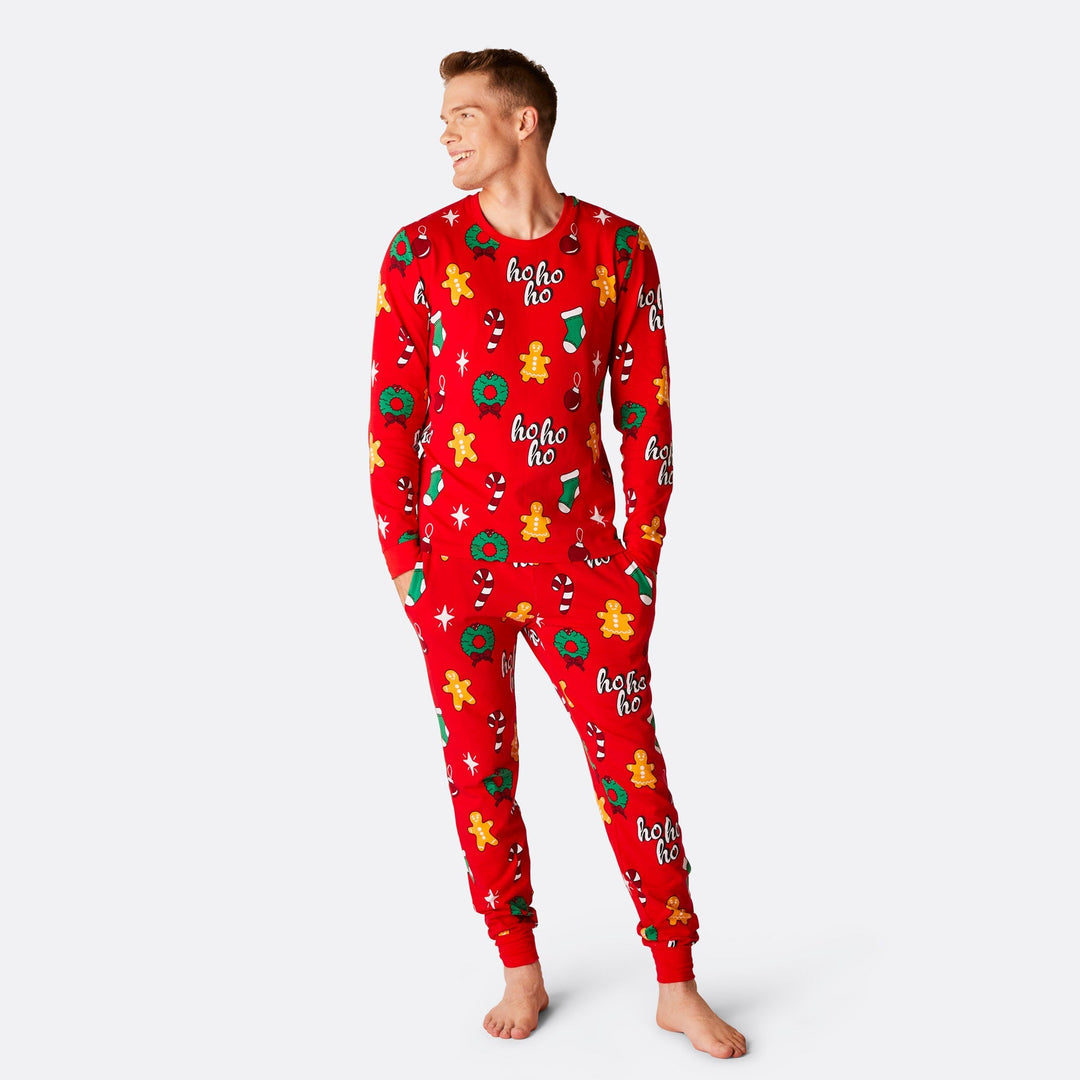
If you're using Black Friday to get a head start on Christmas, it's a brilliant time to tick a few names off the list while prices are friendly. A cosy Christmas jumper is an easy win for almost anyone, and matching family Christmas pyjamas make for a lovely photo on the big day. If you're still mulling it over, our gifts are a nice place to wander for inspiration.
Whatever you've got your eye on, you now know exactly when Black Friday lands and how the week works, so you can shop calmly, compare properly and actually bag something worth having.