Pancake Day is the friendly nickname for Shrove Tuesday, the feast day that Christians have marked for centuries as the very last day before Lent. It lands on a Tuesday in February or early March, and the whole point is simple and rather lovely: it was the moment to use up the rich foods at home, the eggs, milk and butter, before forty days of fasting began on Ash Wednesday. Whisk those few ingredients together and you get a pancake, which is exactly why the day became all about flipping, tossing and stacking them high. Here is the tradition behind it, why we eat pancakes, and a classic batter you can make tonight.
The name comes from the old word "shrive", which means to confess your sins and be given absolution. On the Tuesday before Lent, people would go to church to be "shriven", and a bell, the Shriving Bell or Pancake Bell, was rung to call them in. In some places it is still rung today. That single bell is the thread that ties the religious side of the day to the kitchen, because once you had been to confession, you went home and cooked up everything you were about to give up for Lent.
Cosy picks for a chilly Pancake Day evening
1Pink HappyHoodie – the wearable blanket hoodie to wrap up in while the batter rests and the pan heats.
2Kids' Pink HappyHoodie – a snug version for little flipping helpers on a cold February night.
Because the date is tied to Easter, Pancake Day moves every year. Shrove Tuesday always falls 47 days before Easter Sunday, so it can land anywhere between early February and early March. In 2026 it falls on Tuesday 17 February. If you want the exact countdown, our guide to when Shrove Tuesday falls keeps the dates up to date year by year.
Why do we eat pancakes?
It is wonderfully practical. Lent was traditionally 40 days of plain eating with no rich or fatty foods, so the eggs, milk, butter and sugar in the larder had to go somewhere before the fast. Pancakes use up exactly those ingredients in one go, which is why the day became a feast of them. Some people even read meaning into the batter: flour as the staff of life, eggs for creation, salt for wholesomeness and milk for purity. The same idea, a last indulgence before fasting, is why other countries call it Mardi Gras, French for "Fat Tuesday", and tie it to Carnival.
Egg-hunt ready
Purple HappyHoodie
Purple HappyHoodie brings a little burst of sunshine to those lazy spring weekends.
The flip is the fun part, and Britain turned it into a sport. In a pancake race, competitors run a course carrying a hot pancake in a frying pan and toss it as they go, often in fancy dress. The most famous is at Olney in Buckinghamshire, said to date back to 1445, when a local woman heard the Shriving Bell while still cooking and dashed to church in her apron, pan in hand. At Westminster School the "Pancake Grease" sees a cook toss a giant pancake over a high bar for the pupils to scramble for, and in parts of England the day is still marked with skipping or rowdy Shrovetide football games that go back centuries. It is the rare holiday where being a bit silly in the street is entirely the point.
Pancake Day kicks off the run-up to Easter, so if you are stocking up on cosy bits for the season, our Easter loungewear collection is a comfortable place to start.
The classic British pancake recipe
Traditional English pancakes are thin, closer to a crepe than the fluffy American kind, and they are best served the moment they leave the pan. For roughly 8 pancakes you need 8oz (225g) plain flour, 2 large eggs, 1 pint (568ml) milk and a pinch of salt.
Whisk it all into a smooth batter and let it rest for 30 minutes. Heat a little oil in a frying pan, pour in just enough batter to coat the base, and cook until the underside is golden. Loosen the pancake with a shake of the pan, then flip it (the brave toss it, the sensible use a spatula) and brown the other side. Serve straight away. The classic British topping is a squeeze of lemon and a sprinkle of caster sugar, while golden syrup, chocolate spread, jam or fresh berries all earn their place too.
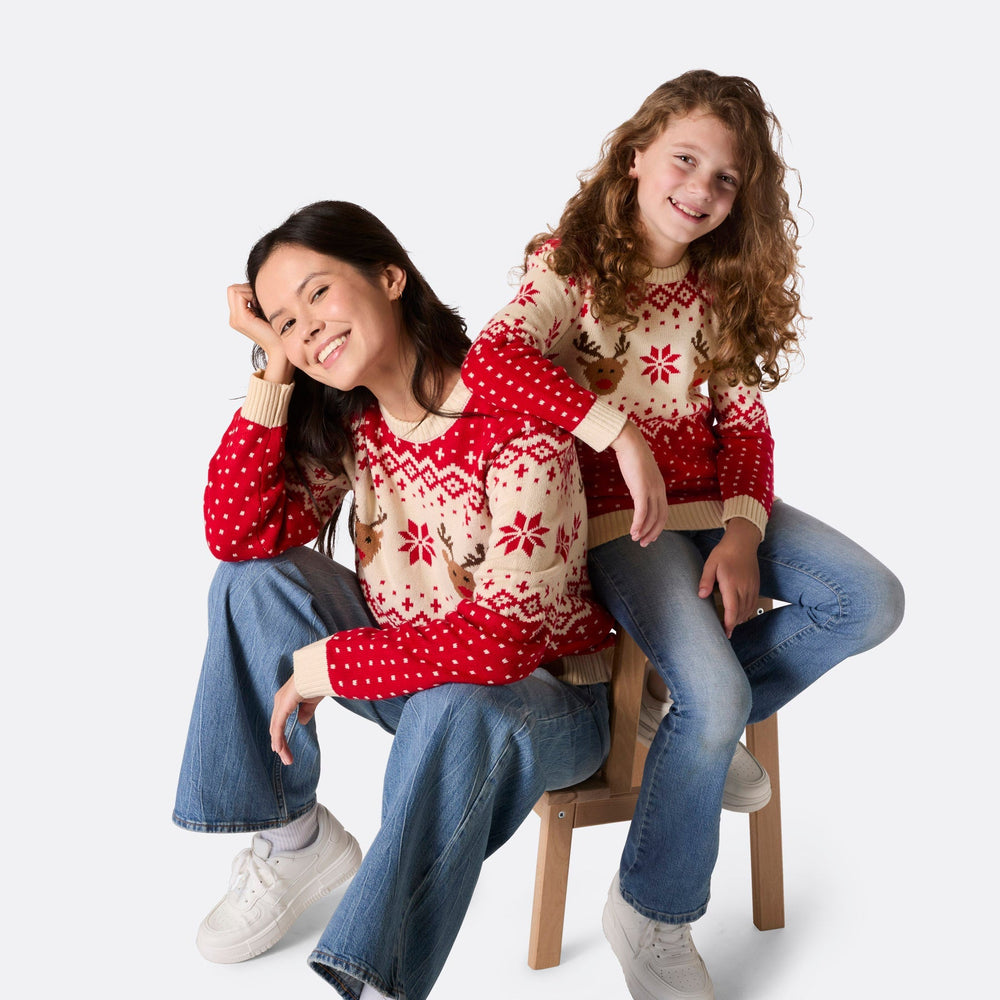
Pancake Day is a school-night feast, so most families keep it simple and cosy: pancakes, a stack of toppings and everyone in something soft. A HappyHoodie blanket hoodie is built for exactly that kind of evening, and there are warm picks for kids too so the smallest pancake-flippers stay snug.
However you mark it, Pancake Day is about taking a small, warm pause before the longer build-up to Easter. Light the hob, get the lemon and sugar ready, and let everyone have a go at the flip. For the full background you can read more on Shrove Tuesday, and Historic UK has a lovely account of the history of Pancake Day and its races.
Did you know?
Pancake Day always falls 47 days before Easter Sunday.
Pancakes featured in English cookery books as far back as 1439.
The Olney pancake race in Buckinghamshire is said to date back to 1445.
Mardi Gras means "Fat Tuesday" in French, the same last-feast idea.
A classic British pancake batter is just flour, eggs, milk and a pinch of salt.
Pancake Day is the popular name for Shrove Tuesday, the feast day before Lent begins on Ash Wednesday. People traditionally use up rich foods like eggs, milk and butter by making pancakes, and the day is marked with flipping, pancake races and stacks of toppings.
Lent was traditionally 40 days of fasting with no rich or fatty foods, so households used up their eggs, milk, butter and sugar the day before. Pancakes use exactly those ingredients in one go, which is why Shrove Tuesday became a feast of them.
The name comes from the old word "shrive", meaning to confess your sins and be granted absolution. People went to church to be "shriven" before Lent, called in by the Shriving Bell, also known as the Pancake Bell.
Pancake Day always falls 47 days before Easter Sunday, so the date moves each year between early February and early March. In 2026 it falls on Tuesday 17 February.
It is a Christian tradition observed by Catholics, Anglicans and Lutherans alike, tied to confession before Lent. Today many people across the UK enjoy it culturally as a fun excuse for pancakes, whatever their faith.