To say Merry Christmas in Greek you say Καλά Χριστούγεννα, written in the Latin alphabet as Kala Christougenna and pronounced ka-LA chris-TOO-yeh-na. It literally means "good Christmas," from καλά (kalá, "good") and Χριστούγεννα (Christoúgenna, "Christmas"), and it is the warm, traditional way to wish someone a happy festive season in Greece and Cyprus.
If you only learn one phrase this year, Καλά Χριστούγεννα is the one. But there is a lovely little twist that most people miss, and it is the difference between sounding like a tourist with a phrasebook and sounding like you actually know how a Greek Christmas works. Here is everything you need, including when to switch to a different greeting altogether, how to write it in Greek letters, and a quick tour of the customs behind the words.
How to pronounce Καλά Χριστούγεννα
The trick with Greek is that two letters do not sound the way an English speaker expects. The χ in Χριστούγεννα is a soft "h" sound made at the back of the throat, not a hard "ch" like in "chips." And the γ before that final syllable softens to a "y," so the word lands as chris-TOO-yeh-na rather than "chris-too-genna." The accent marks in Greek tell you exactly where to put the stress, so you say ka-LA and chris-TOO-yeh-na, leaning on those syllables.
Put it together slowly: ka-LA chris-TOO-yeh-na. Say it a few times and it rolls off the tongue. If you are wishing it to one person or a whole room, the phrase does not change, which makes it wonderfully easy to use.
Where Χριστούγεννα comes from
The Greek word for Christmas is a neat little piece of history. Χριστούγεννα is built from Χριστός (Christós, "Christ") and γέννα (génna, "birth"), so it means, quite simply, "Christ's birth." Greece is the home of the original Greek New Testament, so the festival keeps the name right there in plain sight. Knowing the root also helps you remember the spelling, because once you can hear "Christ" and "birth" inside the word, it stops looking like a jumble of unfamiliar letters.
Festive favourite
Kids' Reindeer Christmas Jumper
Slip into Kids' Reindeer Christmas Jumper and let the gentle, gingerbread-scented joy of the season take over.
Here is the part the phrasebooks leave out. In Greece you will barely hear Καλά Χριστούγεννα on Christmas Day itself. The greeting is used in the days leading up to the 25th, because wishing someone a "good Christmas" only makes sense while Christmas is still ahead of them. Once the day arrives and, in the Christian story, Christ is born, the wish has done its job.
So on Christmas Day and the days that follow, Greeks switch to Χρόνια Πολλά (Chrónia Pollá), pronounced HRO-nya po-LA. It literally means "many years," as in "many years of health and happiness to you." It is the most useful greeting in the whole Greek language, because the same two words work on Christmas Day, at New Year, on birthdays, on name days and at almost any celebration. If you remember only one back-up phrase, make it this one.
Whether you are wishing Καλά Χριστούγεννα across the table or over a video call, a set of matching family Christmas jumpers turns the whole family photo into the card.
A quick rule of thumb: before Christmas, say Καλά Χριστούγεννα; on the day and after, say Χρόνια Πολλά. Get that right and you will sound like you grew up there.
More festive Greek greetings
Once you are comfortable with the two big ones, here are the other phrases you will hear all over Greece through December and into January:
Καλές Γιορτές (Kalés Yiortés) - "Happy Holidays," used right across the festive season.
Καλή Χρονιά (Kalí Chroniá) - "Happy New Year," heard constantly around and after the 1st of January.
Ευτυχισμένα Χριστούγεννα (Eftychisména Christoúgenna) - a slightly more formal "Happy Christmas."
Χαρούμενα Χριστούγεννα (Charoúmena Christoúgenna) - "Joyful Christmas," a cheerful alternative.
Καλά Χριστούγεννα και Ευτυχισμένο το Νέο Έτος - "Merry Christmas and a Happy New Year," for when you want to say it all in one breath.
And if a Greek friend is named Christos, Christina, Emmanuel or Emmanouela, their name day falls on Christmas Day itself, so a warm Χρόνια Πολλά is doubly appropriate.
What Greek Orthodox Christians say
For most people, festive greetings and church greetings are the same, and Καλά Χριστούγεννα or Χρόνια Πολλά will always be welcome. Within the Orthodox tradition you may also hear the older liturgical exchange of "Christ is born" answered with "Glorify Him." It is more of a churchgoer's greeting than a high-street one, but it is a lovely thing to recognise. Worth knowing too: most Greek Orthodox Christians celebrate on the 25th of December, the same day as the UK, while some other Orthodox churches keep to the older Julian calendar and celebrate in early January.
How to write Merry Christmas in Greek
If you are signing a card or a message, here is the phrase to copy out, letter for letter: Καλά Χριστούγεννα! For a card that will be opened on the day itself, Χρόνια Πολλά! is the safer, friendlier choice. Want to cover the whole season in one line? Write Καλά Χριστούγεννα και Καλή Χρονιά, "Merry Christmas and a Happy New Year." A handwritten Greek greeting inside a card always lands warmly, even if the rest of the message is in English.
A little Greek Christmas, beyond the words
The greetings make far more sense once you know the customs they sit inside. A Greek Christmas is really a twelve-day season running from Christmas Eve to Epiphany on the 6th of January, and it is full of traditions you will not find here:
Saint Basil brings the gifts, on New Year. The Greek gift-bringer is Άγιος Βασίλης (Saint Basil), and traditionally he arrives on New Year's Day rather than Christmas Day, which is why presents are often opened on the 1st of January.
Kalanda, the carols. On Christmas Eve and New Year's Eve, children go door to door singing κάλαντα (kálanta), Greek carols, often keeping time with a little triangle, and are rewarded with coins rather than sweets.
Christopsomo, "Christ's bread." Families bake a sweet, spiced loaf decorated with a dough cross for the Christmas table.
The lucky coin in the Vasilopita. At New Year, everyone cuts a special cake or pie with a coin hidden inside; whoever finds the coin in their slice is promised good luck for the year ahead.
The kallikantzaroi. Greek folklore tells of mischievous goblins, the καλλικάντζαροι, who creep up from underground during the twelve days of Christmas to cause playful havoc until Epiphany sends them back down.
If you would like to read more about how the country celebrates, the customs above and many others are gathered in this overview of Christmas in Greece.
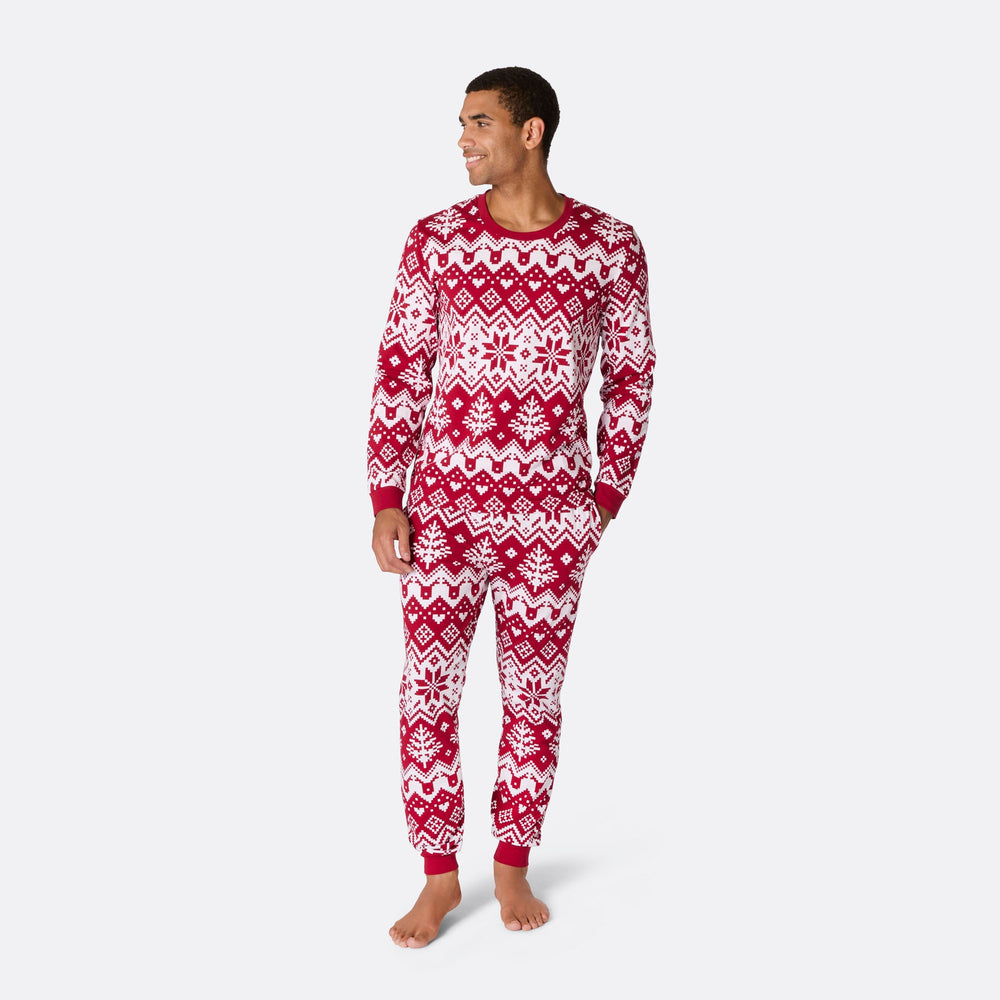
However you say it, the spirit is the same. Greeks pour real warmth into their festive greetings, and that warmth travels well. The same goes for the way we dress up the season here at home, so once the Greek is sorted, pull on something cheerful. Our Christmas jumpers cover the classic reindeer and Rudolph designs, and there are cosy Christmas pyjamas for the quieter mornings in between.
So there you have it: lead with Καλά Χριστούγεννα in the run-up, switch to Χρόνια Πολλά on the day, and you will charm every Greek you meet. Καλά Χριστούγεννα και Καλή Χρονιά, a Merry Christmas and a Happy New Year to you and yours.
Did you know?
Καλά Χριστούγεννα literally means "good Christmas," from kalá (good) and Christoúgenna (Christmas).
On Christmas Day itself Greeks switch from Καλά Χριστούγεννα to Χρόνια Πολλά, which means "many years."
In Greece, Saint Basil (Άγιος Βασίλης) traditionally brings the gifts on New Year's Day, not the 25th of December.
The Vasilopita cake hides a coin inside, and whoever finds it in their slice gets good luck for the year.
A Greek Christmas runs twelve days, from Christmas Eve to Epiphany on the 6th of January.
Frequently asked questions about Merry Christmas in Greek: Καλά Χριστούγεννα
You say Καλά Χριστούγεννα (Kala Christougenna), pronounced ka-LA chris-TOO-yeh-na. It means "good Christmas" and is the traditional festive greeting in Greece and Cyprus.
Yes. Χρόνια Πολλά (HRO-nya po-LA) means "many years" and is what Greeks use on Christmas Day itself and the days after. Καλά Χριστούγεννα is used in the run-up to the 25th.
The Greek word for Christmas is Χριστούγεννα (Christougenna). It combines Χριστός (Christ) and γέννα (birth), so it literally means "Christ's birth."
Most say Καλά Χριστούγεννα before Christmas and Χρόνια Πολλά on the day. In church you may also hear the older greeting "Christ is born," answered with "Glorify Him."
Write Καλά Χριστούγεννα! for a card before the day, or Χρόνια Πολλά! for Christmas Day and after. For the whole season, write Καλά Χριστούγεννα και Καλή Χρονιά.