Knitting for Beginners: Your First Stitches Made Easy
Knitting for beginners comes down to four small skills: tie a slip knot, cast on, work the knit stitch, then cast off, and once those click you can turn two needles and a ball of yarn into a real, wearable thing. You do not need a clever pattern, fancy wool or a craft-room full of kit to begin. A chunky ball of yarn, a pair of thick needles and a free evening are genuinely all it takes to get your first stitches on the needle tonight.
Here is the honest bit nobody tells you on day one: your first projects will be wonky, and that is completely fine. The plan below gets you knitting fast, points you at the right starter projects, and is upfront about the one thing beginners always underestimate, which is time. A hand-knitted jumper is a brilliant goal, but it is a winter-of-practice goal, not a this-weekend one. So we will knit the small wins now and keep the family looking the part in the meantime.
What you actually need to start
Two things: yarn and needles. That really is it. For your very first stitches, pick a chunky or "super bulky" yarn in a pale, smooth colour so you can see each stitch, paired with thick needles around 8mm to 10mm. Thick yarn grows quickly, which keeps you motivated, and big stitches are far easier to fix when they go wrong. Choose a cheap acrylic ball rather than a pricey artisan skein, because you will make mistakes and they hurt far less when the yarn cost a couple of pounds.
Best first projects, ranked
1Garter-stitch scarf – cast on, knit every row, cast off. Zero counting, endlessly forgiving, and warm at the end.
2Dishcloth or practice square – the fastest possible finished object, ideal for testing tension before you commit to anything bigger.
3Simple beanie hat – a quicker win than a long scarf and genuinely wearable, a great step up once garter stitch feels easy.
4Chunky cowl – a short loop in thick yarn that finishes in an evening or two and teaches you to join a round later on.
For the needles themselves, bamboo or wooden ones are kinder to beginners than metal. The natural surface gently grips the yarn, so your stitches are less likely to slide off while your hands are still learning. The yarn label will suggest a needle size in millimetres, and following that label is the safest move when you are starting out.
The four skills that make you a knitter
Almost every knitting project, from a dishcloth to a cardigan, is built from the same handful of moves. Learn these in order and you have the whole foundation:
The slip knot. This is the very first loop you put on your needle. It acts as an anchor for everything that follows.
Casting on. This turns loose yarn into a neat row of stitches sitting on the needle. The number you cast on sets how wide your piece will be.
The knit stitch. The heart of the craft, and the one you will repeat thousands of times. Insert, wrap, pull through, slip off. Work a whole row, turn your work around so the yarn is back on the right, and knit the next row. Keep going and a fabric forms.
Casting off. Also called binding off. This is how you safely lift the finished piece off the needle so it does not unravel.
A row worked entirely in knit stitch, back and forth, makes a soft, squishy fabric called garter stitch, and it is the perfect first texture because both sides look the same and there is nothing to get backwards. Once you are comfortable, the purl stitch is the natural next move, and knit plus purl together unlock almost everything else.
What to knit first
The classic first project is a simple garter-stitch scarf: cast on enough stitches for the width you want, knit every row until it is long enough, then cast off. There is no shaping and no counting, so it is a forgiving place to build muscle memory. A dishcloth or a small square works on the exact same principle if you want something even quicker to finish.
That said, plenty of experienced knitters argue a simple hat is the better first project, because it is faster than a long scarf and more satisfying to wear at the end. Either is a good call. The real goal is a finished object in your hands, because nothing builds confidence like actually completing something.
The mistakes everyone makes (and how to fix them)
Three problems trip up nearly every new knitter, and all three are normal rather than signs you are bad at this. The first is the dropped stitch, where a loop slips off the needle and leaves a little ladder in your fabric. Do not panic: it can be hooked back up, and with chunky yarn it is easy to see and rescue.
The second is knitting too tightly. Nerves make you grip, the stitches bunch up, and you can barely get the needle in. The fix is to consciously relax, push each stitch fully onto the needle rather than working on the tip, and go up a needle size if you need to. The third is mysterious extra stitches, usually from an accidental yarn-over that adds a loop and leaves a small hole. Count your stitches at the end of each row early on and you will catch these before they snowball.
Above all, lean on muscle memory. Your hands feel clumsy at first, exactly like learning to drive, and then one evening the movement simply clicks and you stop thinking about it.
Be realistic about the Christmas jumper
Here is the wedge most beginner guides skip. Yes, you can absolutely knit your way up to a jumper, but a hand-knitted sweater is a milestone that comes after scarves, hats and your first purl rows, not in your first month. It means learning to knit in the round, to shape a yoke, to read a full pattern and to seam. That is a wonderful winter project to grow into, and one we cheer you on towards.
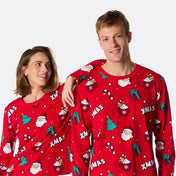
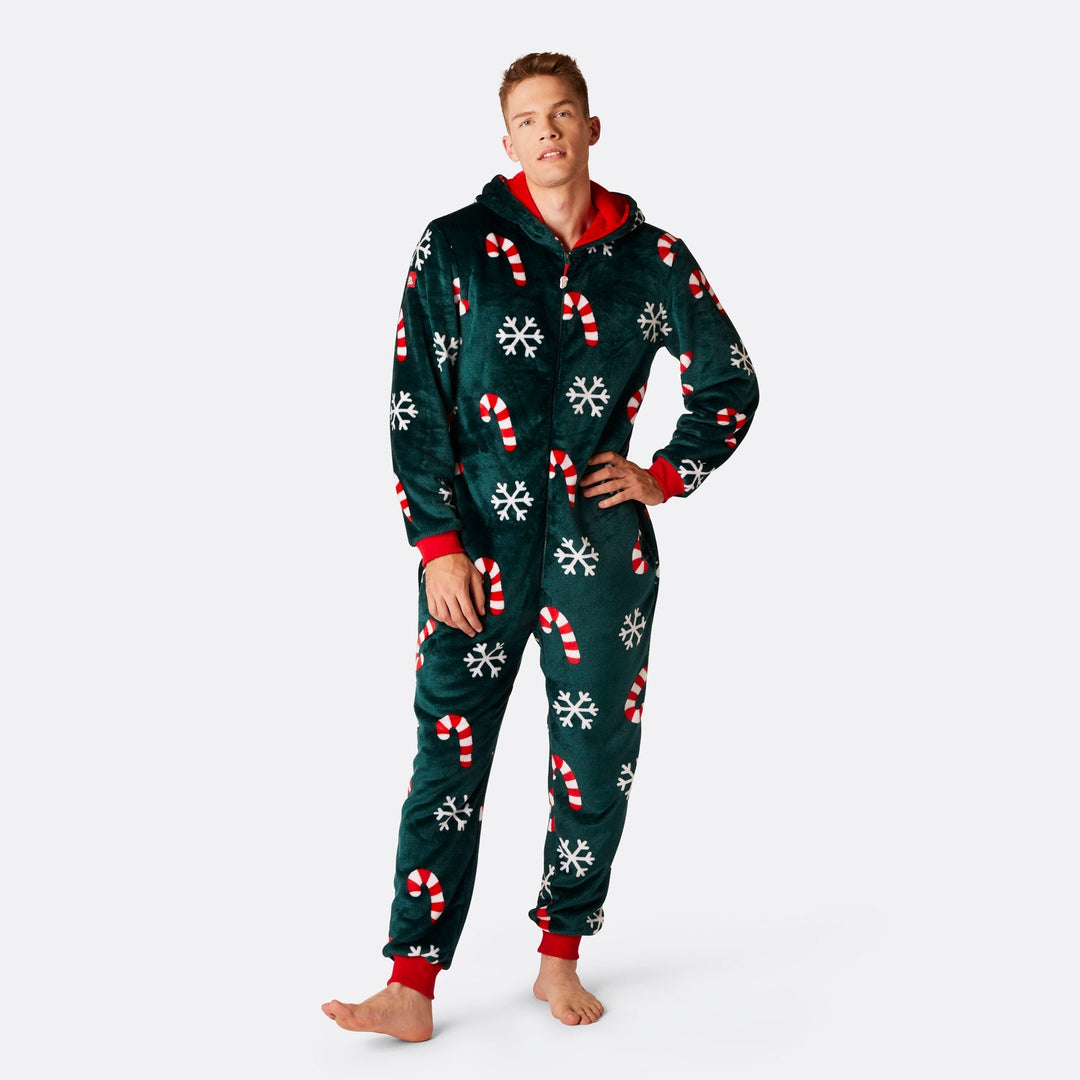
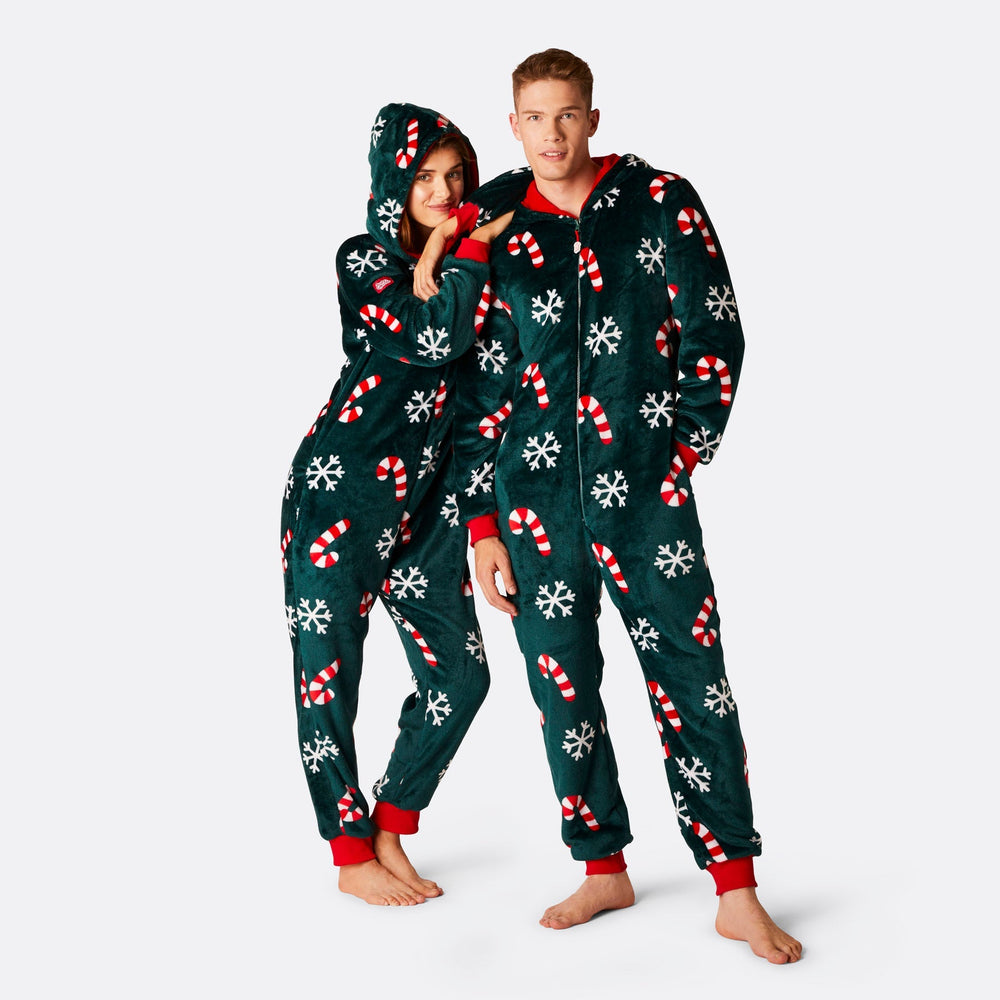
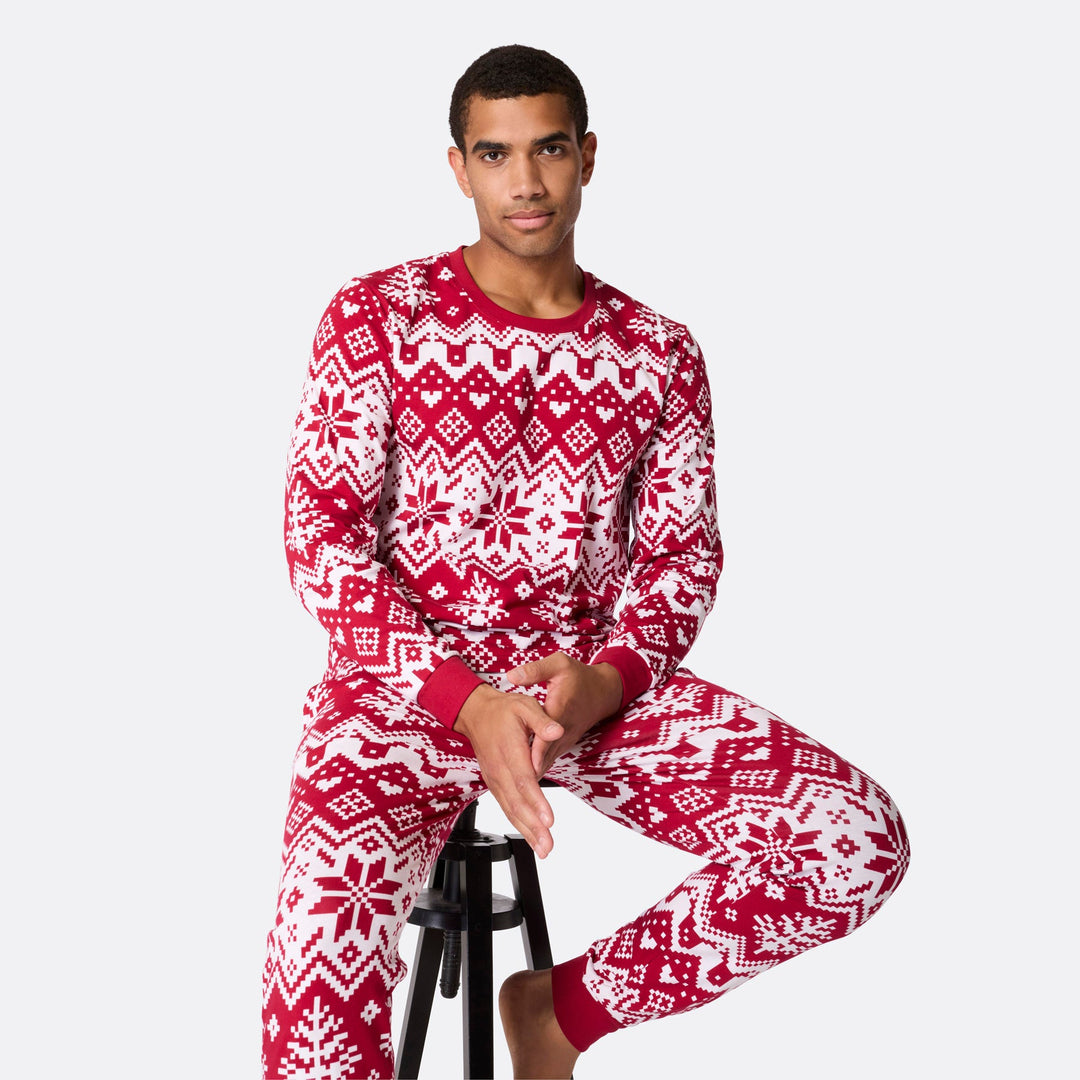
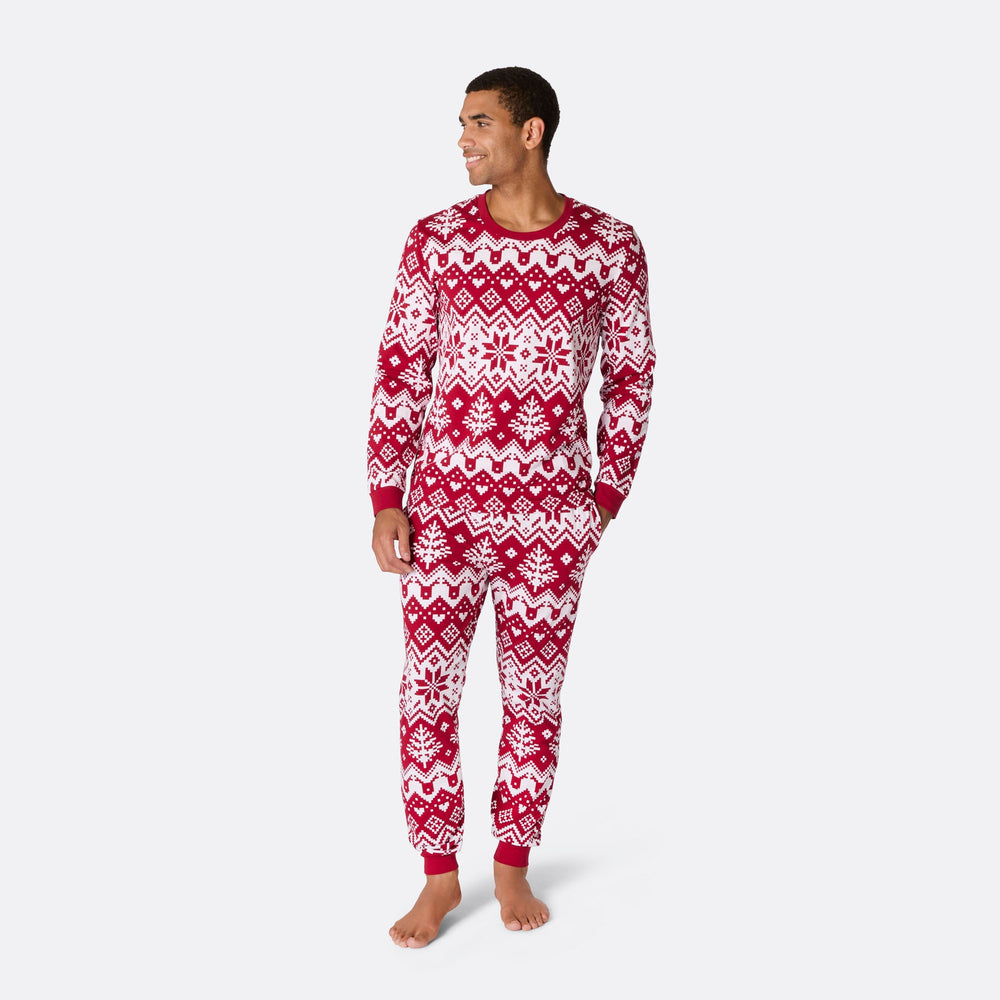
But if the family Christmas is this December and your cast-on is this week, the maths does not work, and that is okay. The sensible move is to keep practising the small stuff now while wearing a ready-made knitted jumper for the photos this year. Our Christmas jumpers give you the cosy, hand-knit-look festive layer today, with matching styles in women's Christmas jumpers and men's Christmas jumpers so the whole family coordinates. Then by next Christmas, who knows, the jumper on your needles might just be the one in the photo.
How long until you are good?
Sooner than you think for the basics, and slower than you hope for the showstoppers, and both are part of the fun. Most people can knit a passable garter-stitch scarf within a week of evenings, manage a hat within a month, and feel ready for their first proper sweater after a season of small projects. The only way to get there is to start, so cast on tonight, accept the wonky first rows, and let your hands learn. You are welcome in the world of knitting, and there is always something new to make.
For the history and the surprising science of the craft, the overview of knitting on Wikipedia is a great rabbit hole, and the entry on garter stitch explains exactly why that first squishy fabric behaves the way it does.
Did you know?
Knitting boils down to just four core skills: the slip knot, the cast on, the knit stitch and the cast off.
A whole piece worked only in knit stitch makes garter stitch, where both sides look identical, which is why it is the perfect first fabric.
Chunky, super-bulky yarn on thick 8mm to 10mm needles is the easiest combination for beginners because big stitches are simpler to see and fix.
Bamboo and wooden needles gently grip the yarn, so stitches are less likely to slide off than on slippery metal needles.
A hand-knitted sweater is a milestone project that usually comes after a season of scarves and hats, not in your first month.
Frequently asked questions about Knitting for Beginners: Your First Stitches Made Easy
Start with a simple garter-stitch scarf, dishcloth or small practice square. Each one only uses cast on, knit stitch and cast off, so there is no counting or shaping to get wrong while your hands learn the movement. A simple hat is a great second project once garter stitch feels easy.
Yes. Knitting is very self-teachable with chunky yarn, thick needles and a little patience. Master four skills - the slip knot, casting on, the knit stitch and casting off - and you are officially a knitter. Practice builds muscle memory, so the movement soon feels automatic.
Many beginners find crochet a touch easier to pick up because it uses one hook and one live loop, while knitting juggles many stitches across two needles. Knitting, though, is wonderfully repetitive once it clicks, and chunky yarn on big needles makes the learning curve gentle.
A garter-stitch dishcloth or scarf is the easiest, because you simply knit every row in thick yarn until it is long enough, then cast off. There is nothing to count and both sides look the same, so mistakes are easy to spot and forgive.
Most people knit a passable garter-stitch scarf within a week of evenings and manage a simple hat within a month. A first proper sweater usually comes after a season of small projects, so be patient and let your hands build muscle memory.