A Christmas gnome is a small, bearded festive figure in a tall pointed hat and cosy clothes, inspired by the house spirits of Scandinavian folklore. In Britain you will most often hear them called gonks, but whatever the name, these whiskered little characters have become one of the most loved decorations of the season, perched on mantelpieces, peeking out from under the tree and printed on everything from mugs to jumpers. Here is the full story of where they come from, what they mean and how to bring their cosy charm into your own home.
A Christmas gnome is a stout, friendly figure recognised by three things: a long flowing beard, a pointed hat pulled low over the eyes, and a round button nose, often the only part of the face you can actually see. They are usually dressed in soft, seasonal colours, with red and white the classic Christmas combination, though you will find them in every shade to suit a theme. The look is deliberately simple and squashy, which is exactly why they feel so warm and welcoming.
The gnome we know today grew out of the Scandinavian nisse, also called the tomte in Sweden and the tonttu in Finland. In the old farms of Norway, Sweden and Denmark, this small household guardian was said to wear a red cap and grey woollen clothes, watch over the family and its animals, and quietly keep the home in good order through the dark winter months.
In the UK the words gonk and gnome are used for almost exactly the same thing, so do not worry about getting it wrong. A gonk is simply the popular British nickname for the festive Scandinavian-style gnome, the chubby bearded figure with the pointed hat. The original 1960s gonk was a rounder, beadier-eyed novelty toy, but the name has since attached itself firmly to the cosy Christmas gnome, and today the two are used side by side. Whichever word you reach for, you are talking about the same loveable, big-bearded friend.
Top of the wishlist
Men's Retro Christmas Tree Jumper
There is nothing like Men's Retro Christmas Tree Jumper for adding a little festive sparkle to the family.
The roots reach back to the nisse and tomte of Nordic folklore, household spirits believed to live in the barns and farmhouses of Scandinavia. According to the old tales they protected the family and brought good fortune, as long as they were treated with respect. A neglected or insulted nisse could turn mischievous and play tricks, so families kept on his good side, traditionally by leaving out a bowl of porridge with a generous knob of butter around the winter solstice.
Over the 19th century the nisse became closely tied to Christmas and to gift giving, and his picture grew steadily merrier and rounder. The name itself is thought to come from Niels or Nicholas, which links the figure to Saint Nicholas, the gift bringer who eventually became Father Christmas. From these threads the modern Julenisse, the Christmas gnome, was born: part folklore guardian, part festive cheer.
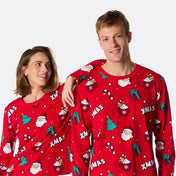
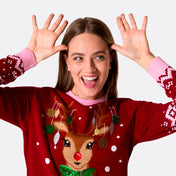
If gnomes are the spirit of a snug Scandinavian Christmas, a soft festive knit is how you wear it. Our cosy Christmas jumpers carry that same warm, big-bearded charm, whether you are hosting, heading to a party or curling up by the tree.
What do Christmas gnomes symbolise?
Beyond being thoroughly cute, gnomes carry a gentle meaning that is part of their appeal. Rooted in folklore, they stand for protection, good fortune and a feeling of home, the sense of a watchful friend looking after the household through the coldest, darkest part of the year. That is a large part of why they have caught on so strongly: they bring a little nostalgia and a little magic, and they make grown ups and children smile in equal measure.
How to decorate with Christmas gnomes
The joy of gnomes is how easily they slot in anywhere. A few favourite ways to use them:
On the mantelpiece: a small group of gnomes with dangling legs looks wonderful lined up along the mantel, especially next to stockings and candles.
On the tree: tiny hanging gnomes tuck happily among the lights and baubles, keeping watch over the presents below.
By the door: a tall, standing gnome up to about a metre high makes a cheerful greeter in the hallway or beside the front door.
On the table: a weighted sitting gnome adds a playful touch to a Christmas table, a windowsill or a bookshelf.
All year round: gnomes are not only for December. You will find autumn, Halloween and Easter versions too, so they can stay out long after the tree comes down.
Make your own Christmas gnome
A homemade gnome is one of the easiest crafts going, and you very likely have most of what you need already. The classic no-sew method takes about ten minutes:
Body: fill a sock with dried rice or beans, twist the top and secure it with a rubber band to make a sturdy little base.
Beard: cut a U-shape of faux fur or chunky wool and glue it around the front of the body.
Nose: part the beard and glue on a small wooden bead.
Hat: roll a triangle of fabric, an old jumper sleeve or a patterned sock into a cone, then pull it down over the body until it just rests on the nose.
Finish: add a tiny pinecone, a sprig of faux berries or a jingle bell to the tip, and your gnome is done.
There are no rules with gnomes, so make the hat as tall and the beard as wild as you like. They are forgiving by design, which makes them a perfect rainy-afternoon project for children.
Wear the cosy Scandinavian feeling
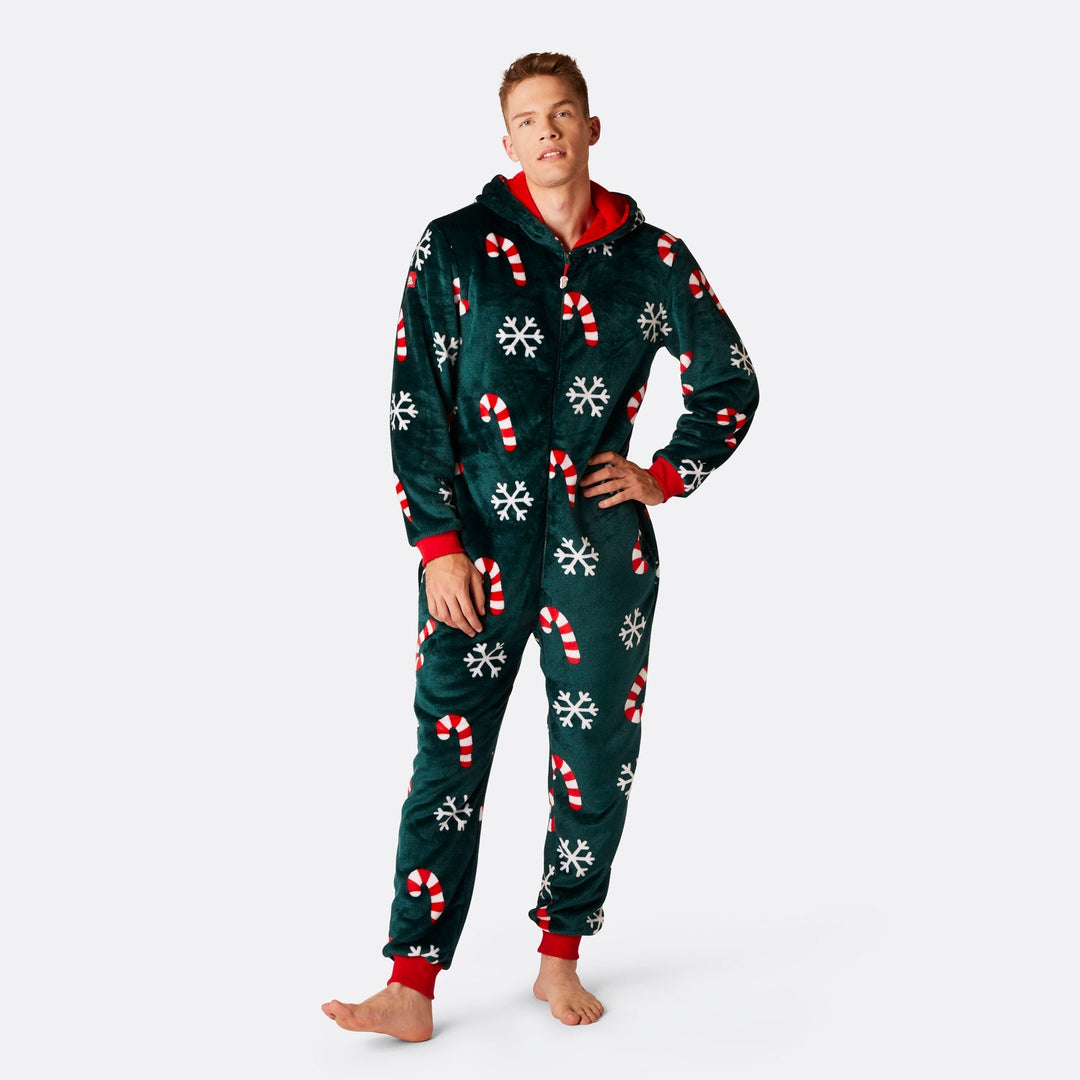
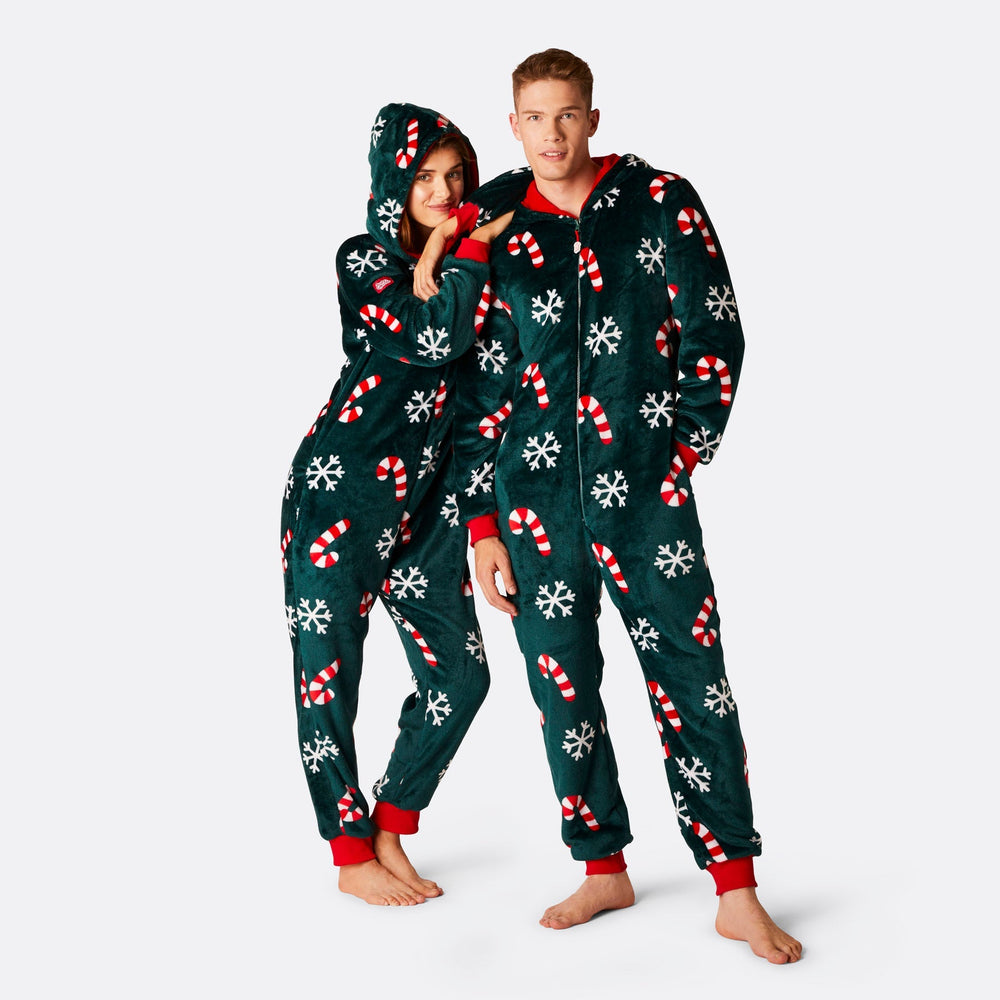
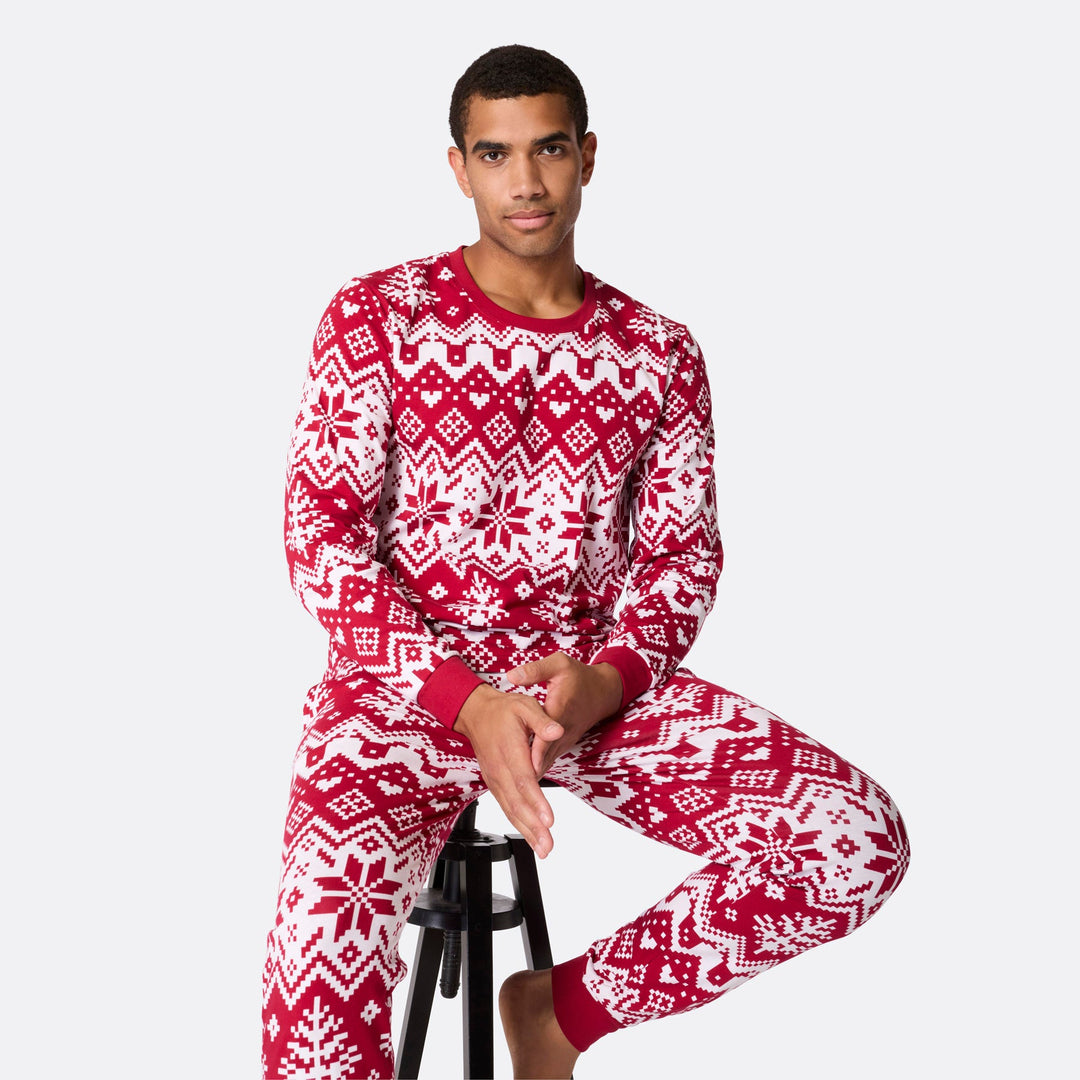
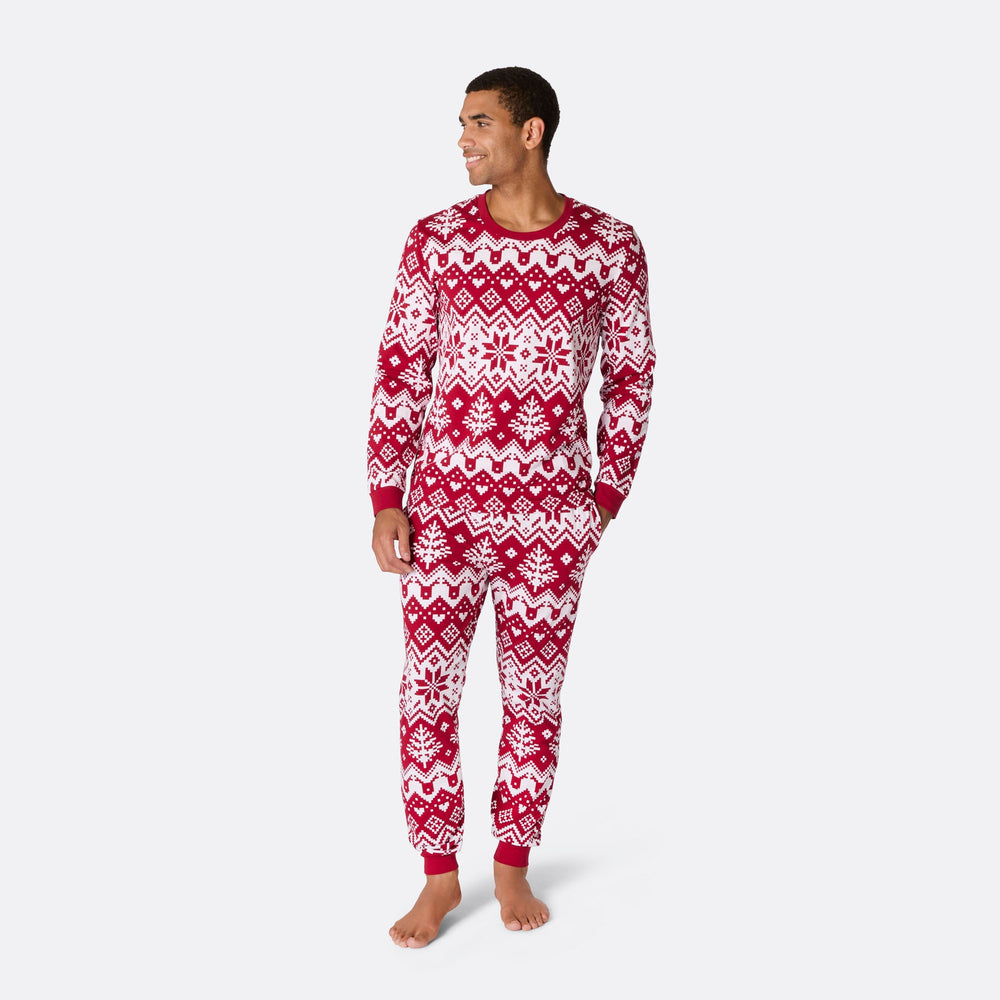
Part of the gnome's magic is that snug, Nordic, woollen-jumper warmth. For a snuggle-on-the-sofa film night, our Christmas pyjamas carry the same warm, playful charm right through to bedtime, so the whole family can stay cosy from the tree-trimming to the final credits.
A friend for the whole family
Whether you call them gnomes or gonks, these big-bearded little guardians are here to stay. They tie a thread all the way back to the nisse and tomte of old Scandinavia, they fill a room with cosy, good-natured cheer, and they are just as happy hand-stitched on a rainy afternoon as bought from a shop. Set one on the mantel, hang a few on the tree, pull on a matching cosy knit, and let a little Nordic magic look after your home this Christmas.
In the UK a Christmas gnome is most often called a gonk. The figure originally comes from Scandinavian folklore, where it is known as the nisse in Norway and Denmark, the tomte in Sweden and the tonttu in Finland.
Almost nothing. Gonk is simply the popular British nickname for the festive Scandinavian-style gnome, the chubby figure with a long beard and a tall pointed hat. The words are used side by side, so you can call them either.
Rooted in Nordic folklore, gnomes symbolise protection, good fortune and a feeling of home. The original nisse was a household guardian believed to watch over the family and bring good luck through the dark winter months.
They grew out of the Scandinavian nisse and tomte, small house spirits said to live on old farms wearing a red cap and grey woollen clothes. Over the 19th century the nisse became linked to Christmas and gift giving, evolving into the cheerful gnome we know today.
Fill a sock with rice or beans for the body, glue a U-shape of faux fur or wool around the front for the beard, add a wooden bead nose, then roll a triangle of fabric into a cone for the hat and pull it down to the nose. It takes about ten minutes.